

About
About the Tel Ashdod Archaeological Project
The Tel Ashdod Archaeological Project explores one of Israel’s key coastal mounds, uncovering Canaanite, Philistine, and later remains. Our team combines meticulous excavation, advanced scientific analysis, and regional survey to reconstruct daily life, trade, and ritual across millennia. We collaborate with students, volunteers, and local communities to preserve the site and share new discoveries through hands-on field work.
Newsroom
Flights are Booked for our colleagues from abroad as our team prepares for our upcoming season at Tel Ashdod in just a few weeks.
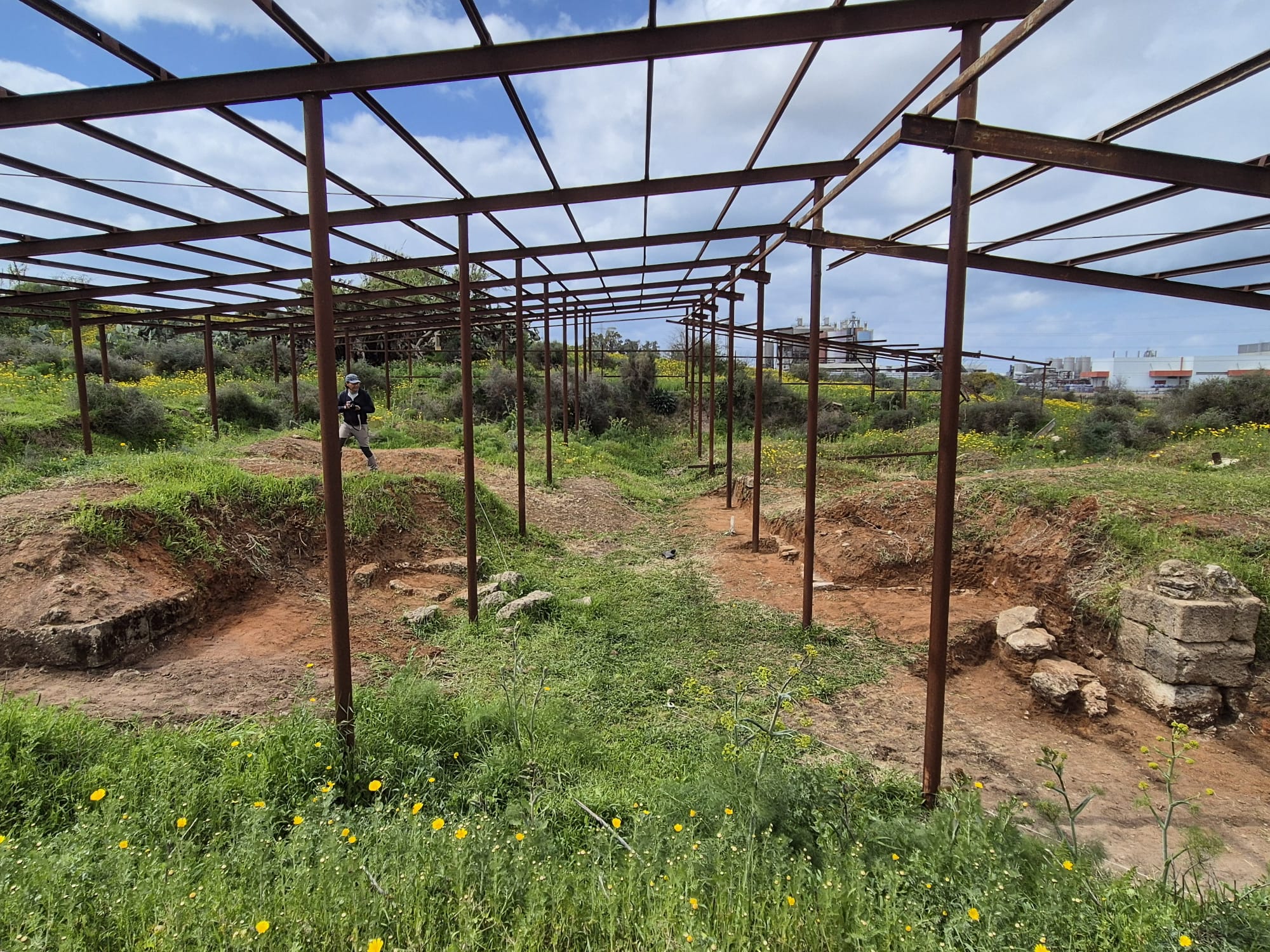
We will continue work revealing the Iron Age gate, excavated in the early 60s by Moshe Dothan, that has fallen into disrepair over the past several decades. Working hand-in-hand with the National Parks Authority on the plans for preservation and restoration of the site for future visitors.
TEL ASHDOD 2026: Excavating the Past, Building the Future
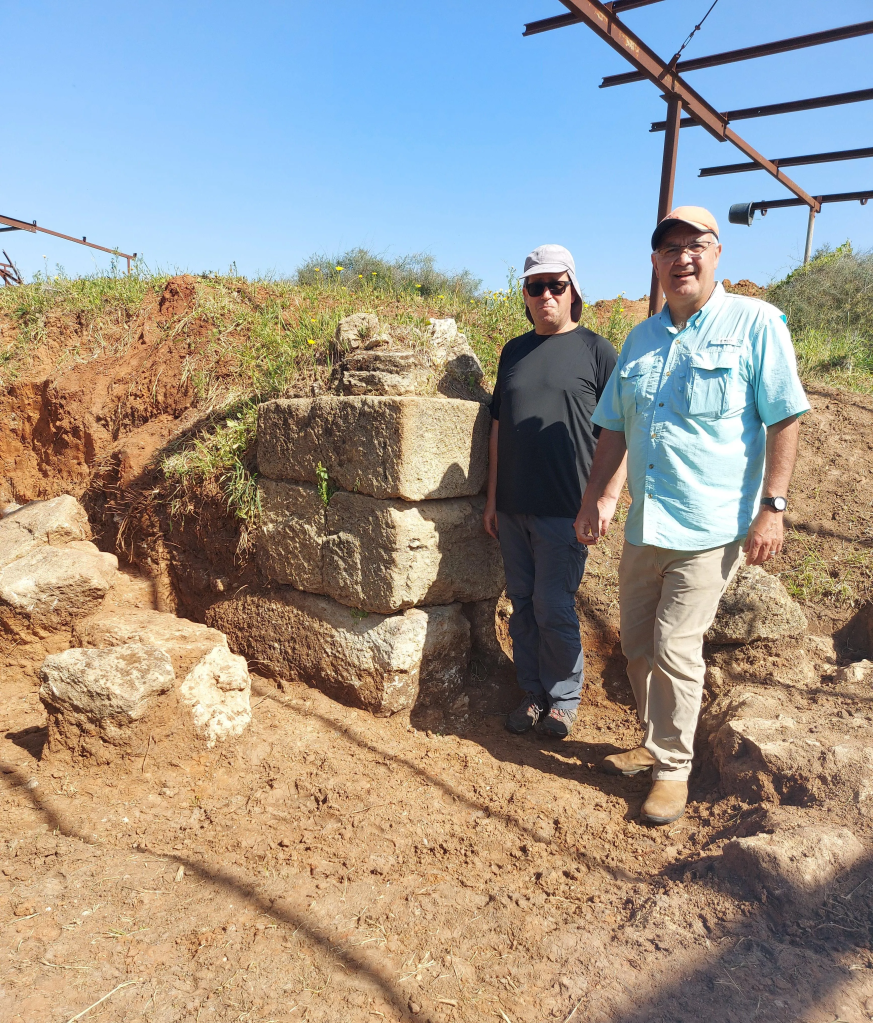
The 2026 excavation season at Tel Ashdod has come to an end, bringing several weeks of intensive fieldwork, research, collaboration, and discovery to a close. From the first day of clearing and excavation to the final documentation photographs, this season has broadened our understanding of the Iron Age Gate at one of the major sites of the southern Levant.
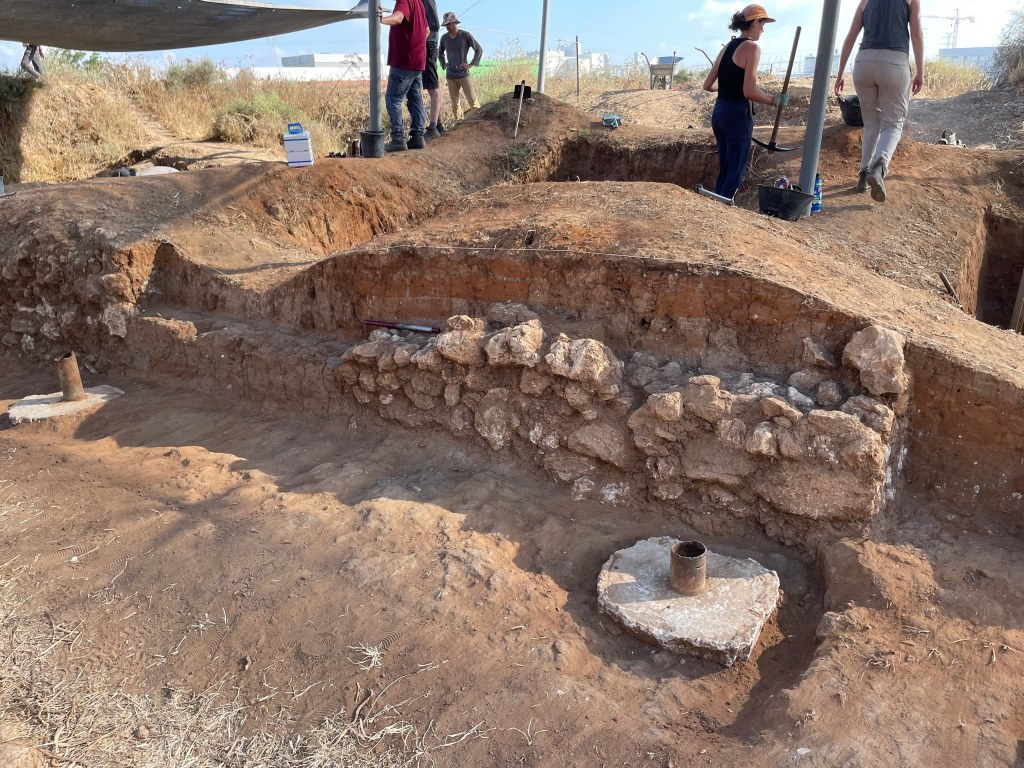
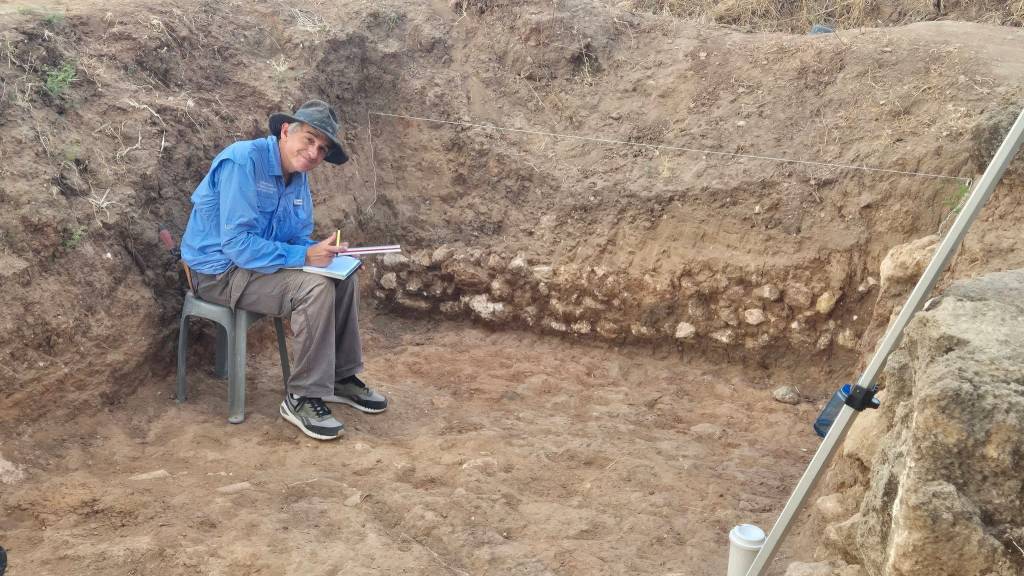
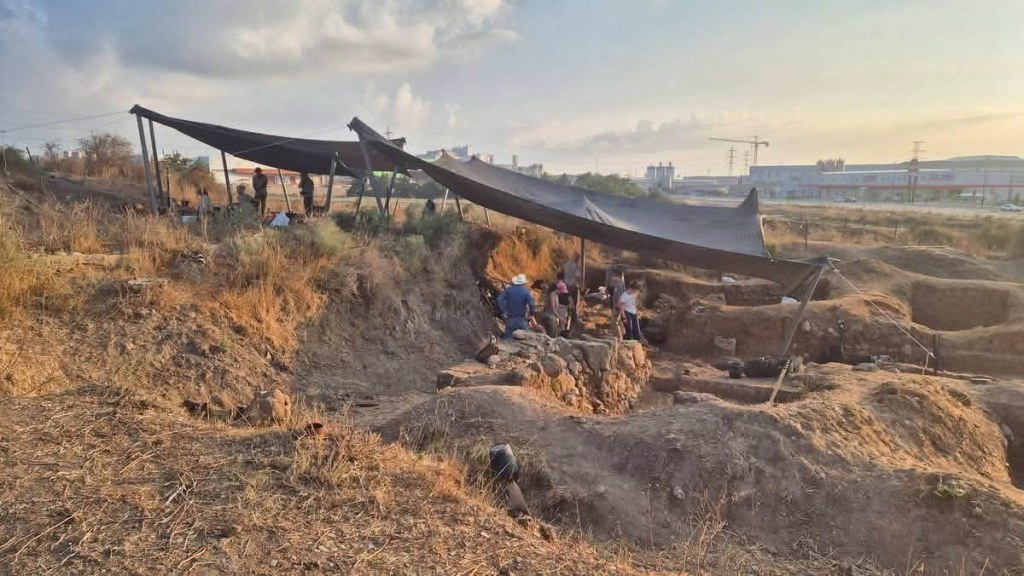
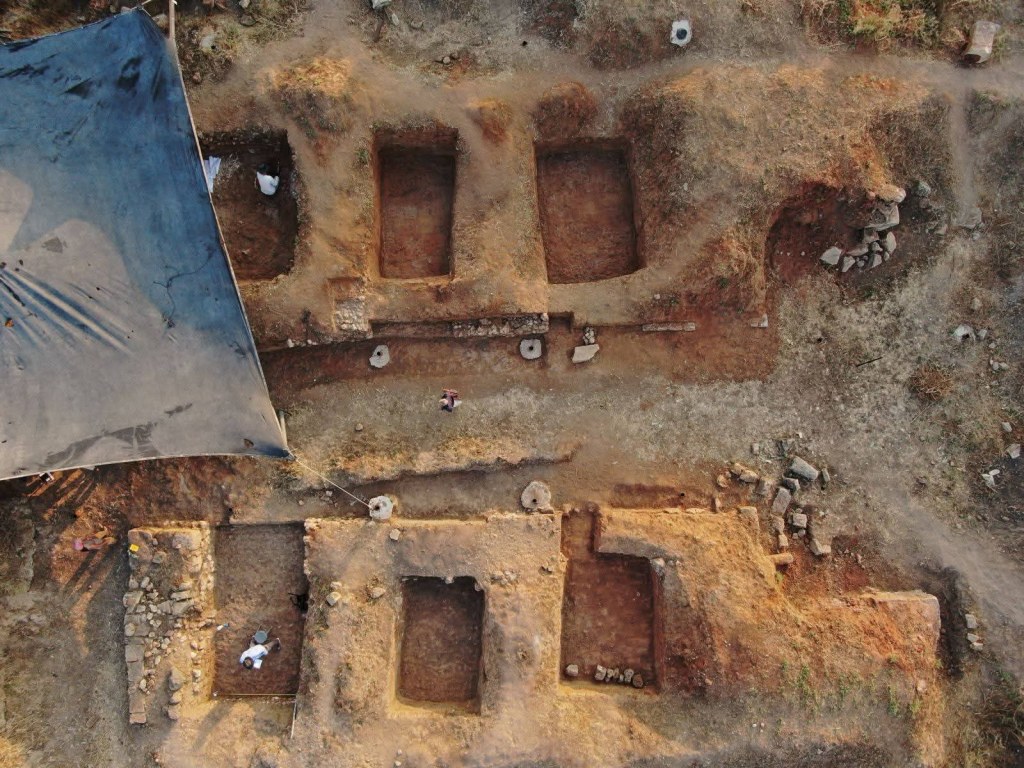
Our primary focus this season was the monumental Iron Age gate first exposed almost sixty years ago during Moshe Dothan’s excavations at Tel Ashdod. Our renewed investigation is helping us reassess the architecture and stratigraphy of the gate complex while also providing essential information for the conservation work planned by the Israel Nature and Parks Authority.
Rediscovering the Gate
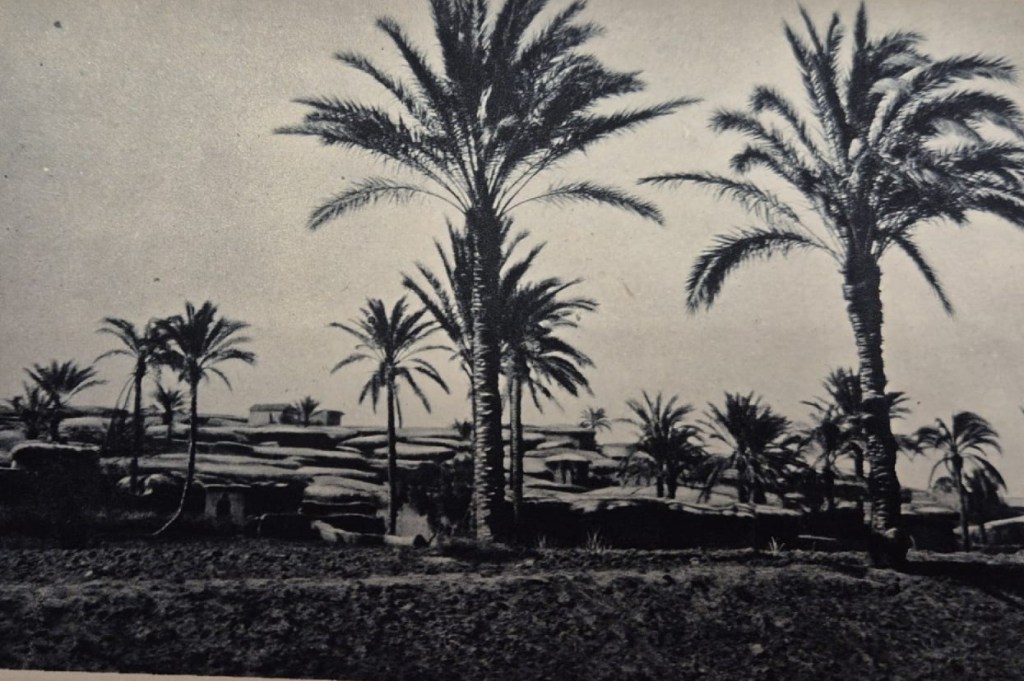
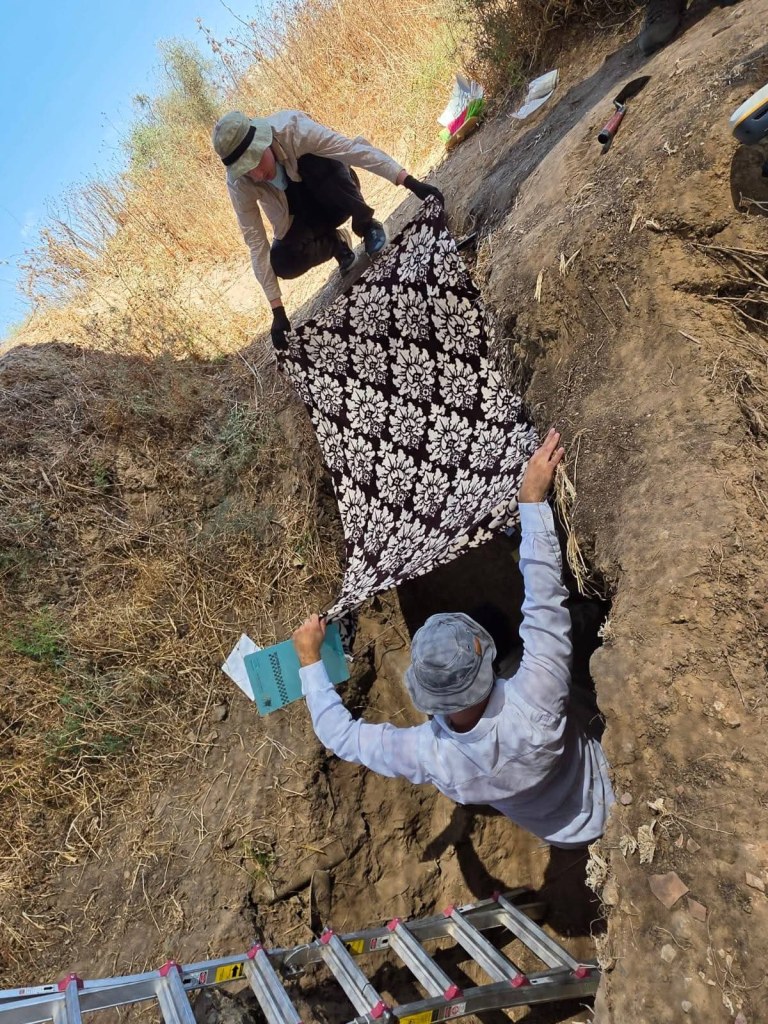
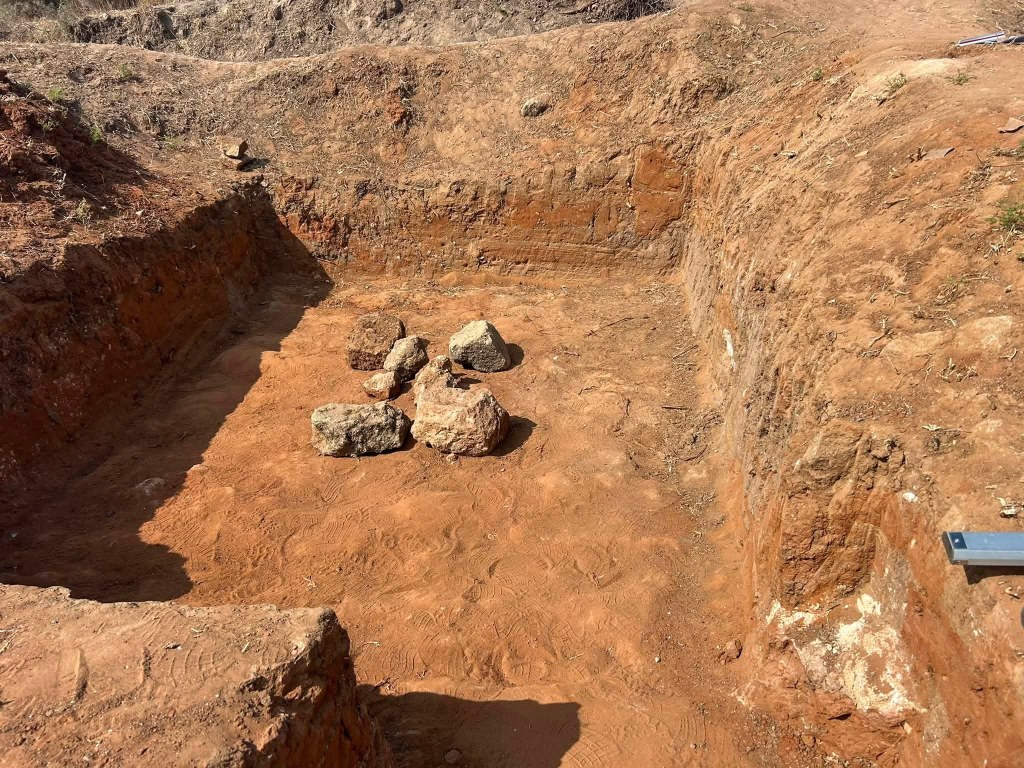
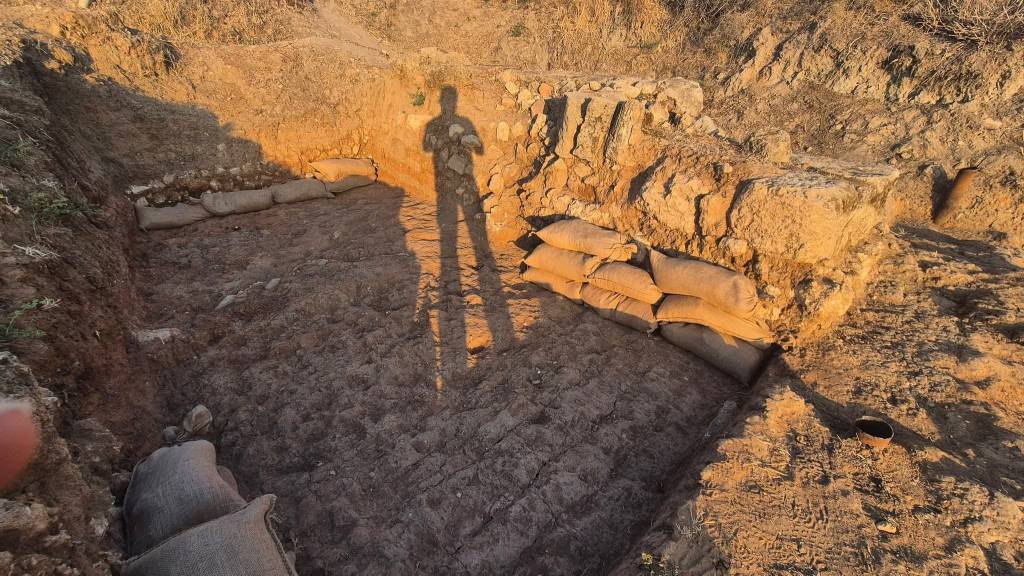
Over the years, since it was initially exposed by Dothan, the Iron Age gate structure has become buried below deteriorated mudbrick and natural soil accumulation. Rather than simply confirming earlier interpretations, the results of our work raise important questions about the development and organization of this monumental complex. As our excavations progressed, mudbrick walls, ancient surfaces, architectural phases and associated material culture was exposed, bringing the architectural plan of the gate into greater focus. By the end of the first week, the emerging plan already suggested that the architecture may differ in some aspects from the reconstruction originally proposed by Dothan
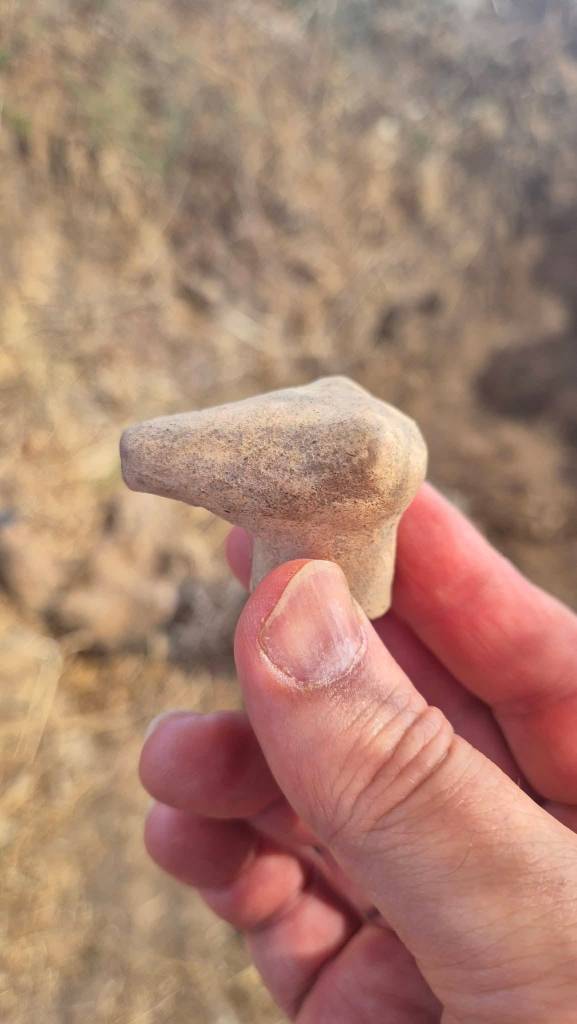
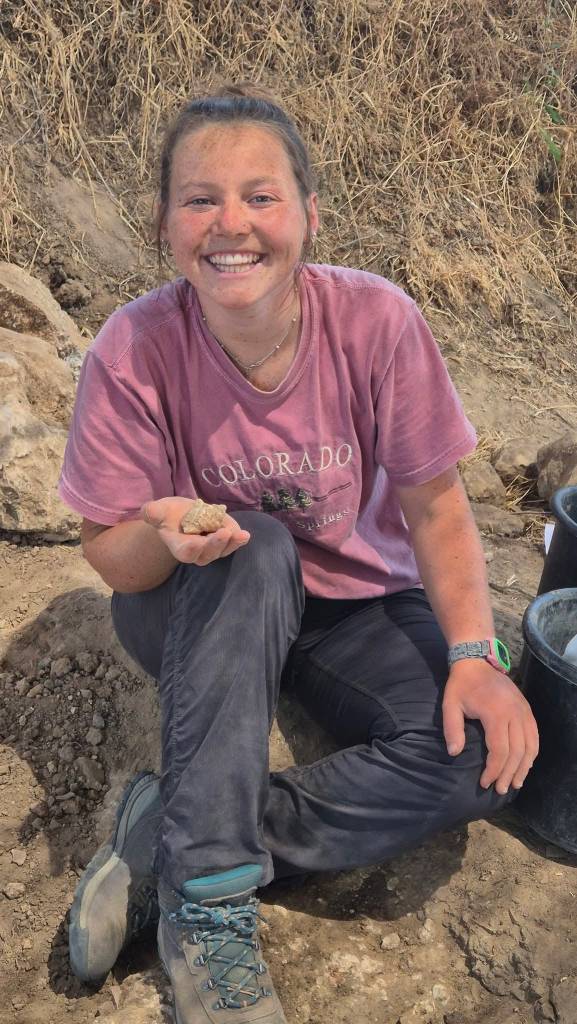
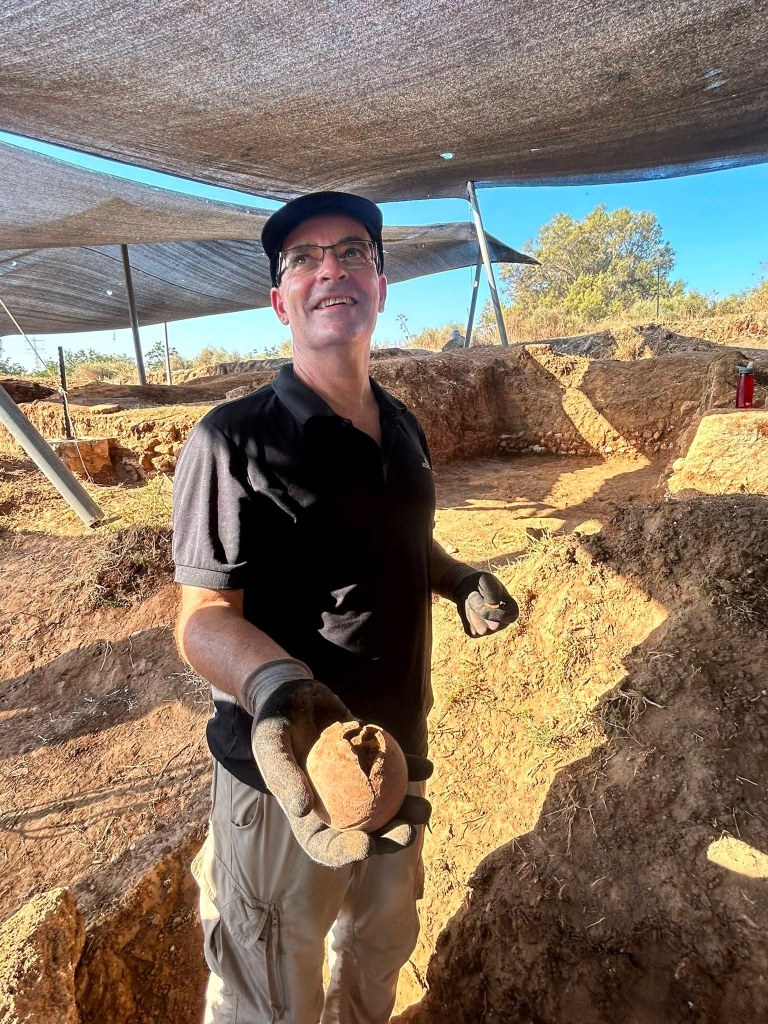
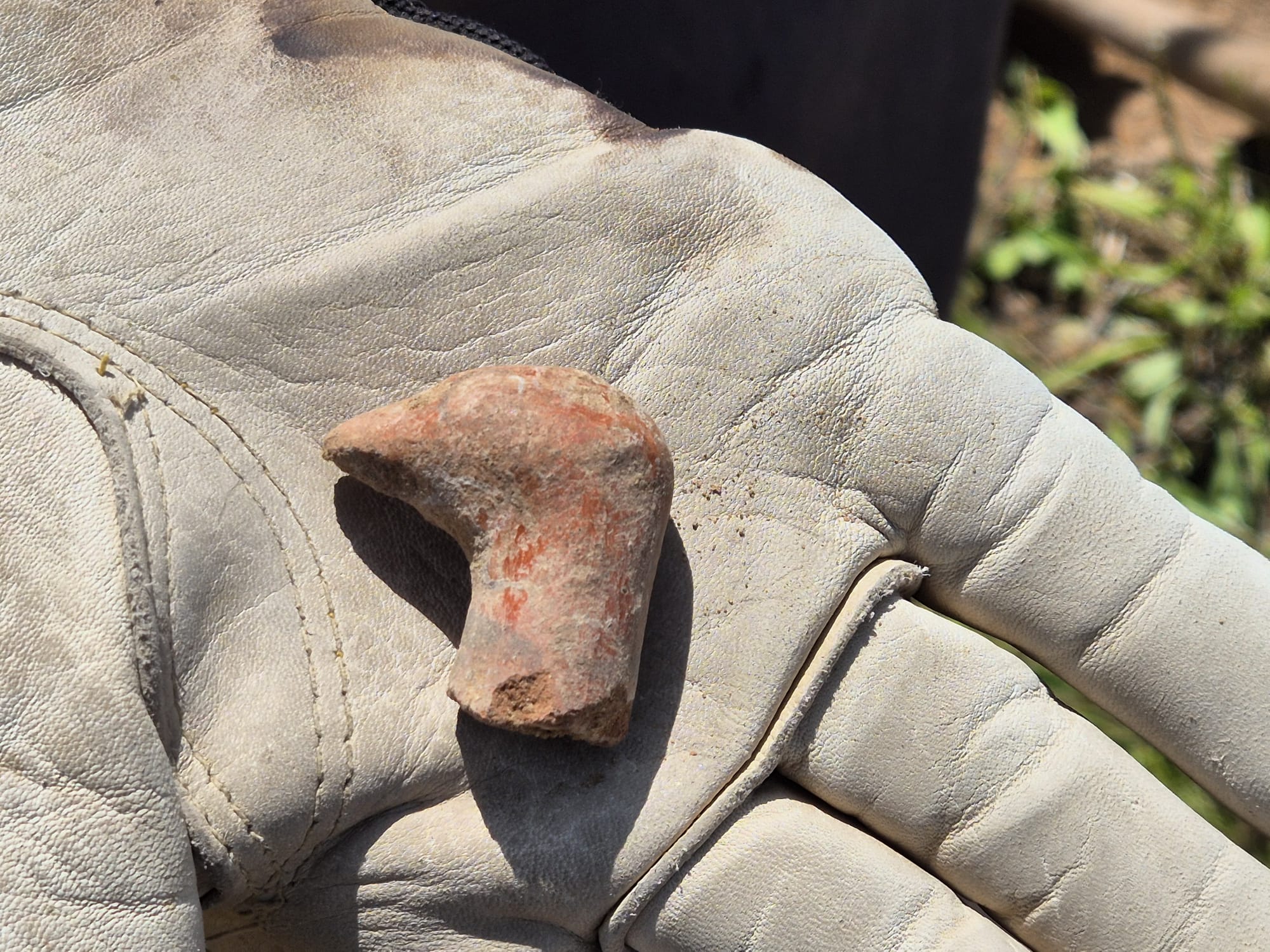
Among the more intriguing discoveries was a fragment of a kernos, a cultic vessel, found resting directly on one of the newly exposed surfaces within the gate. Such finds contribute to our understanding the sort of activities once carried out in the area of the gate.
Just west of the gate complex, our team began to uncover slag and production debris, indicating that some sort of metal production was carried out in the area after the gate had gone out of use.
Looking Beyond the Iron Age
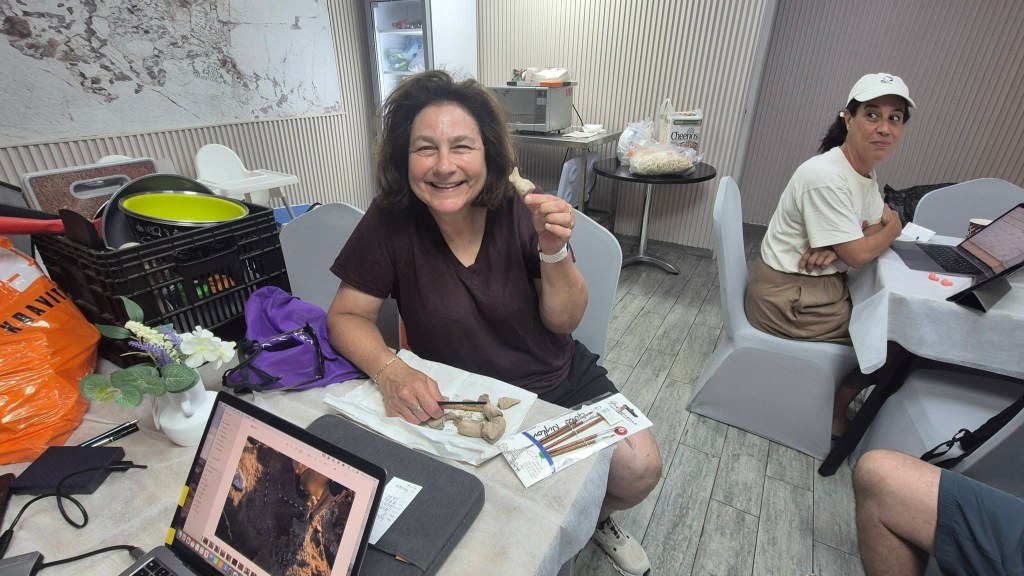
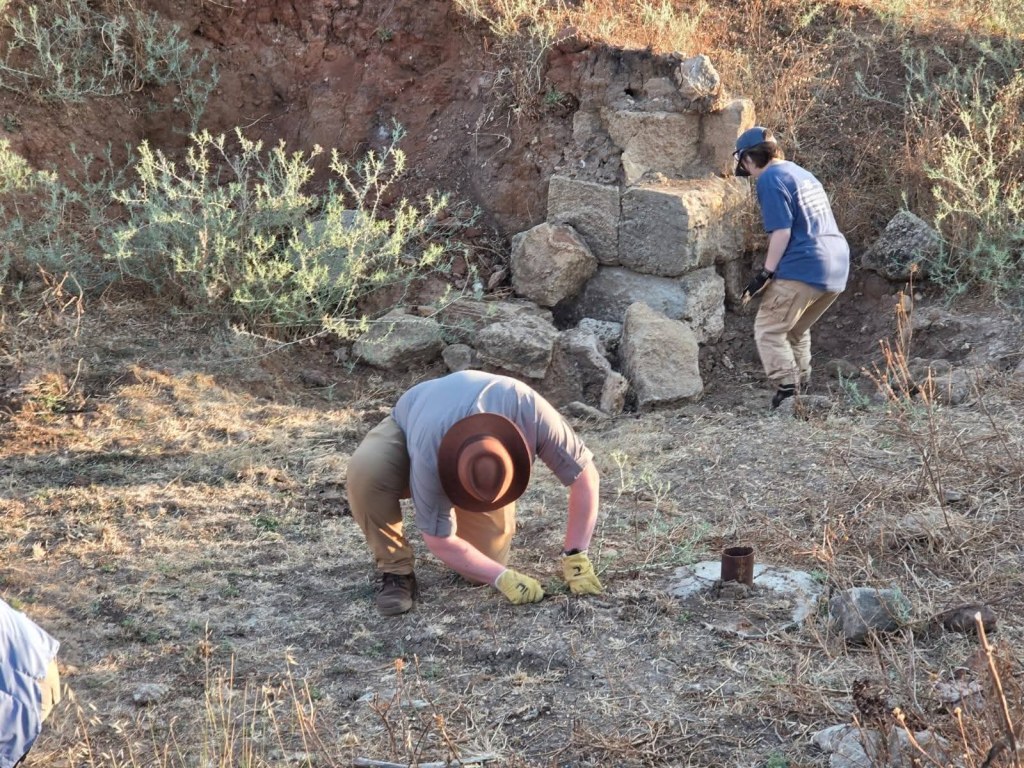
Beyond focusing on the Iron Age at Tel Ashdod, our project touched on some of the later materials, representing the continued occupation of the site over the course of time. During the third week the team revealed distinct occupational horizons dating the Persian period and the Late Ottoman/Mandate period. These later remains remind us that the tell was not simply an Iron Age city frozen in time, but a landscape repeatedly occupied, transformed, and reused over time.
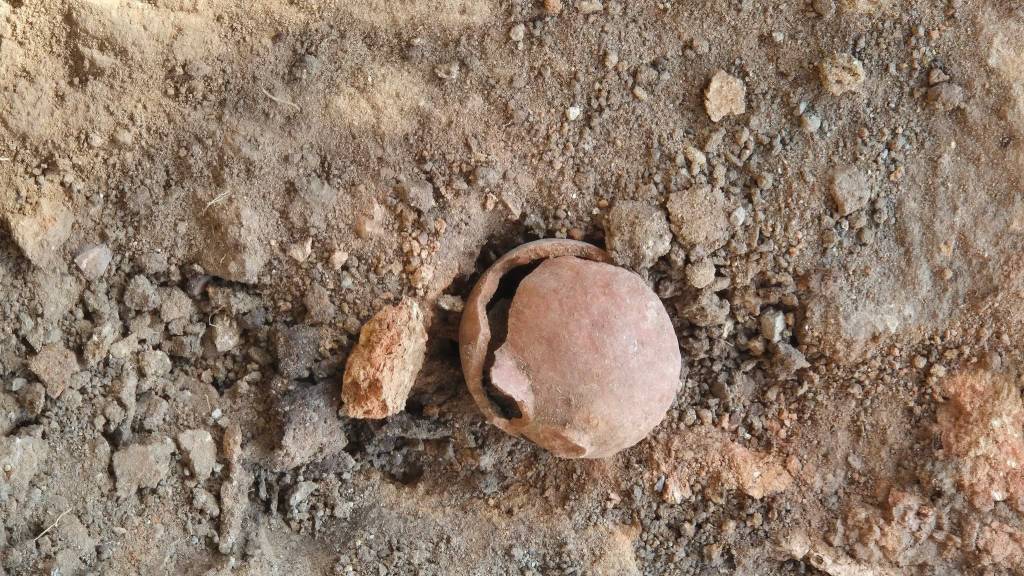
The season’s finds similarly reflect the site’s long history. On the very first day, we encountered Iron Age II pottery alongside later artifacts, including a coin and a British Madate-era hand grenade. Together, these discoveries illustrate the extraordinary chronological depth preserved at Tel Ashdod.
Archaeology Meets Science and Technology
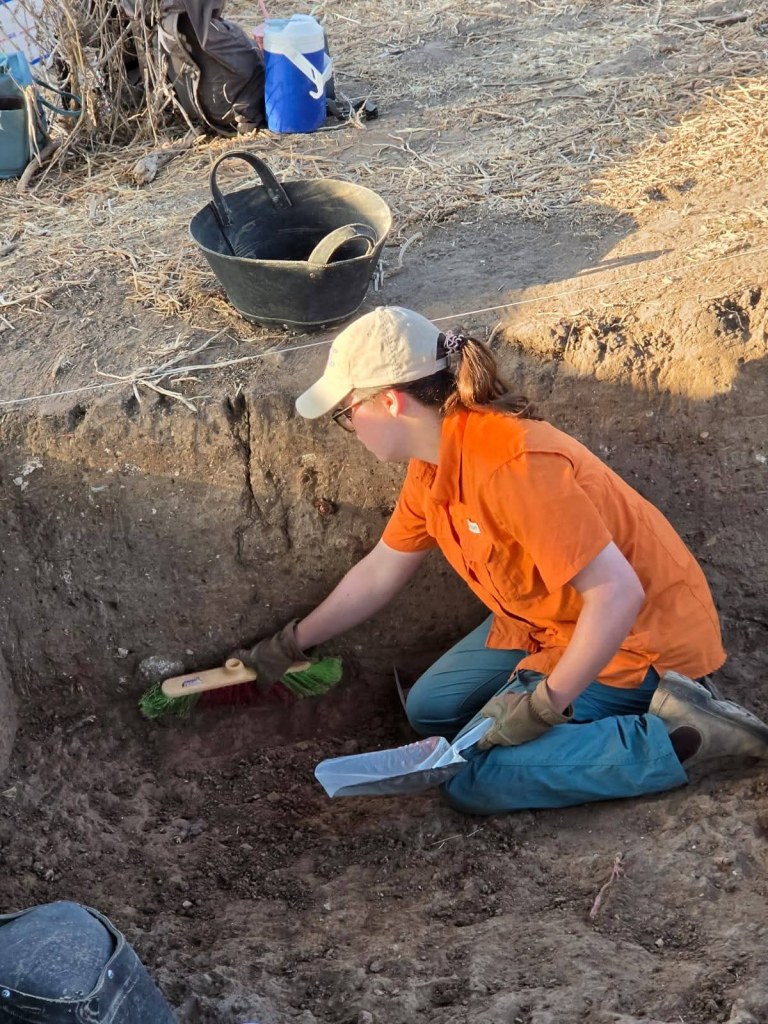
These days excavating is much more than merely removing soil and discovering ancient structures and artifacts. Over the past few decades, the field of archaeological sciences has evolved from focusing solely on lab research to sampling alongside the excavators. This provides a greater understanding of how landscapes were used and developed. Throughout our season, a range of scientific and digital approaches was implemented.
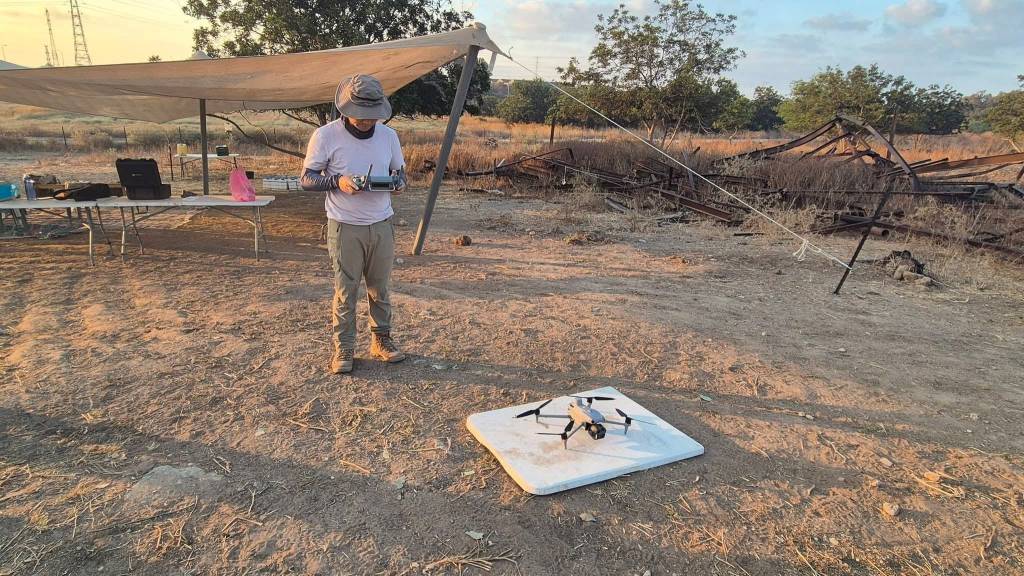
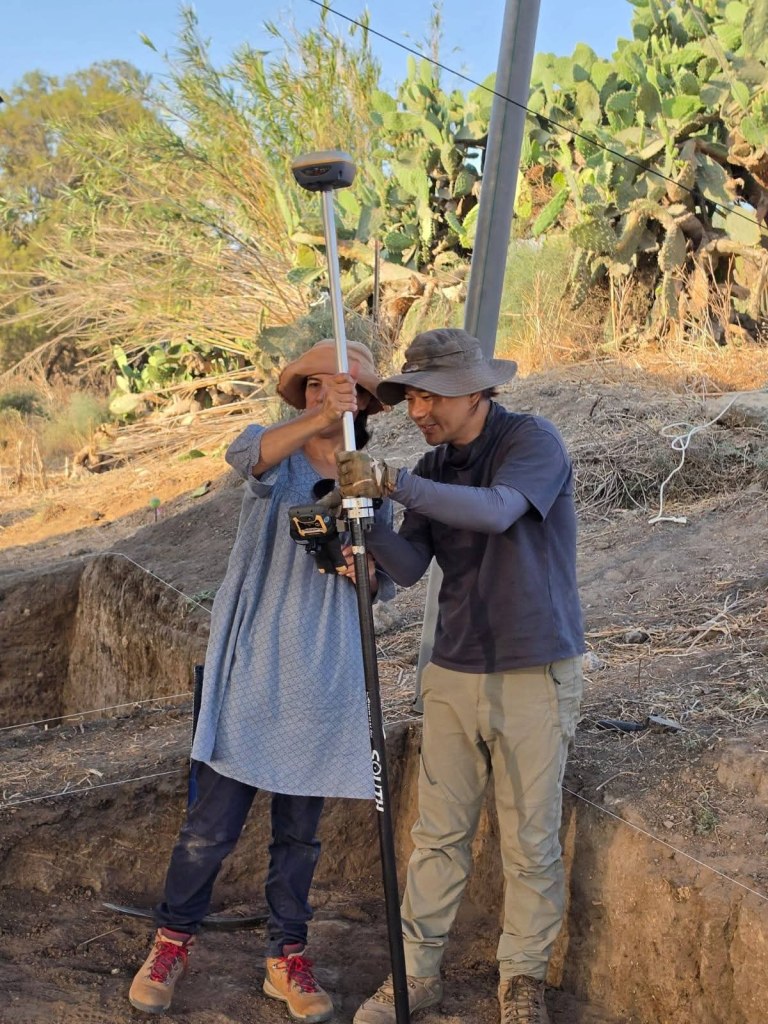
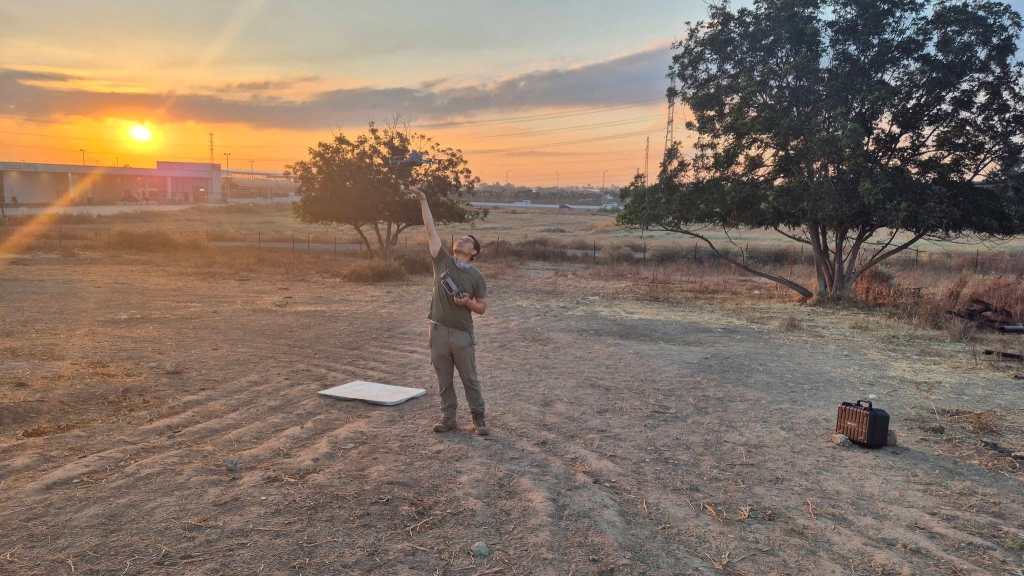
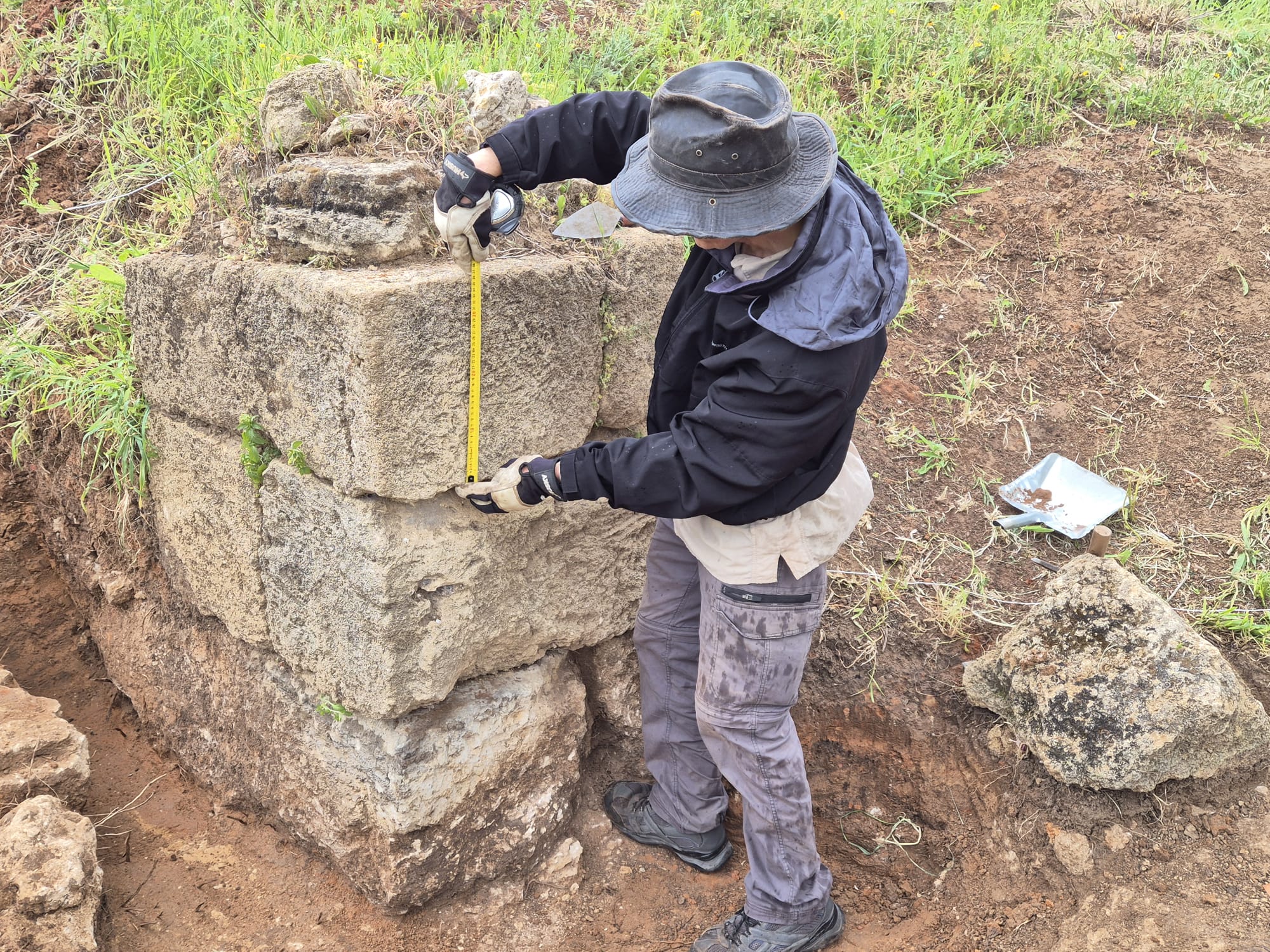
Benjamin Yang produced a highly detailed three-dimensional model of the gate using precise photography and RTK measurements, digitally preserving the architecture as it was exposed during course of the season. Drone-based aerial photography provided additional high-resolution records of the excavated areas.
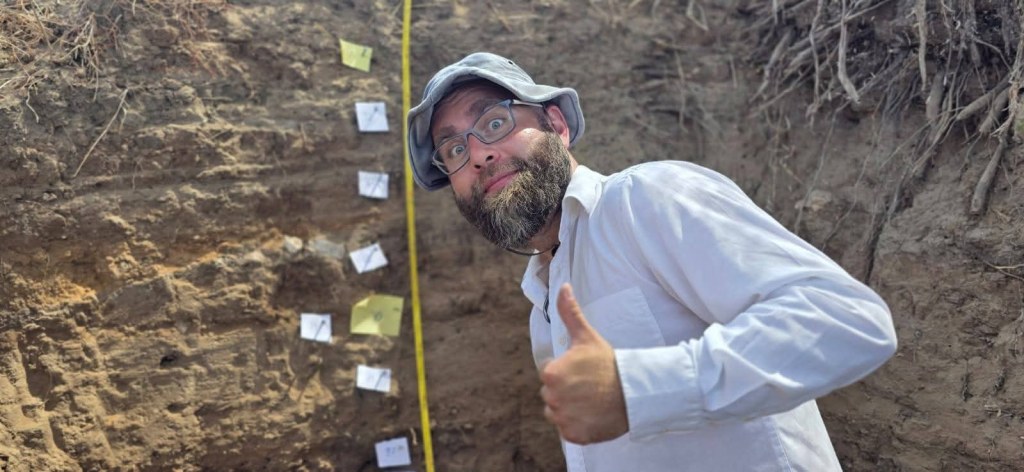
Geoarchaeology was another important component of the season. Martin Janovský from Charles University, Prague, together with Oren Ackerman and their teams, collected samples for a range of analyses. The results of these studies contribute to our understanding of the construction of the gate and the nature of the associated occupational layers.
Other specialists contributed to the project through faunal research conducted by Tina Greenfield and Tiffany Okaluk, conservation discourse, archaeobotanical studies, and others. The season therefore represents not a single excavation project, but a collaborative research program in which multiple disciplines contribute to reconstructing the ancient landscape.

A Truly Collaborative Excavation
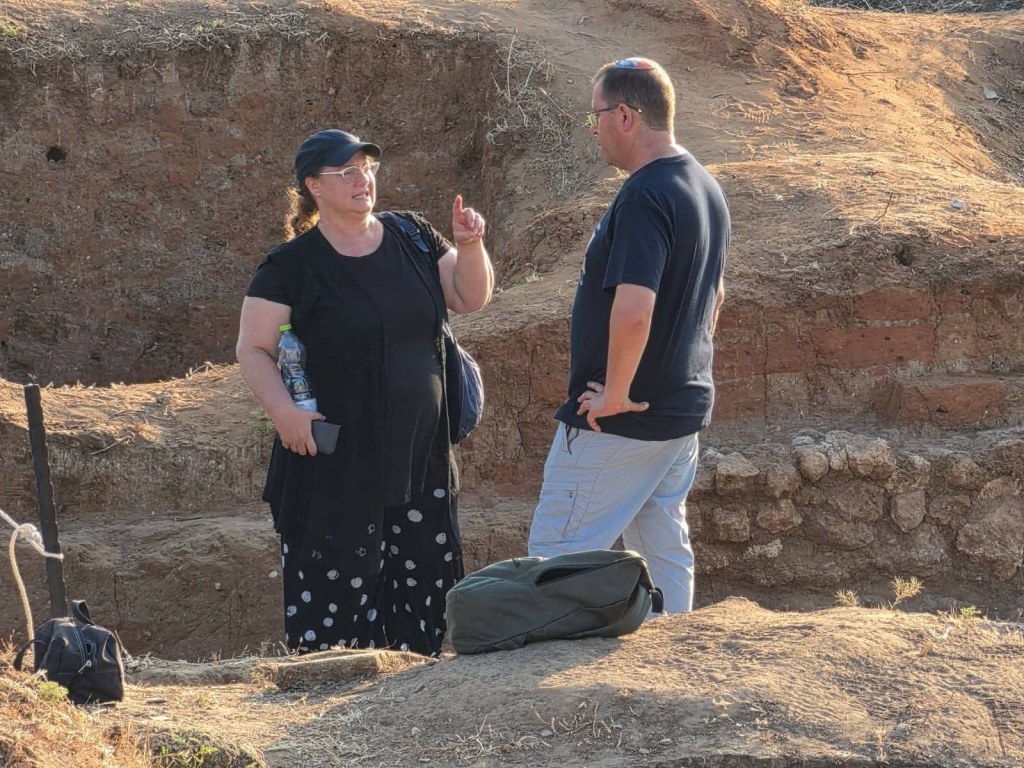
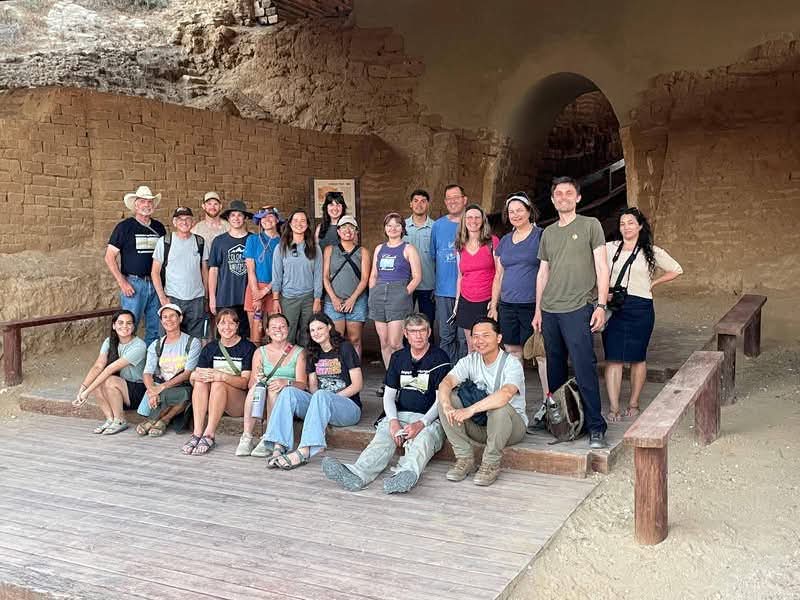
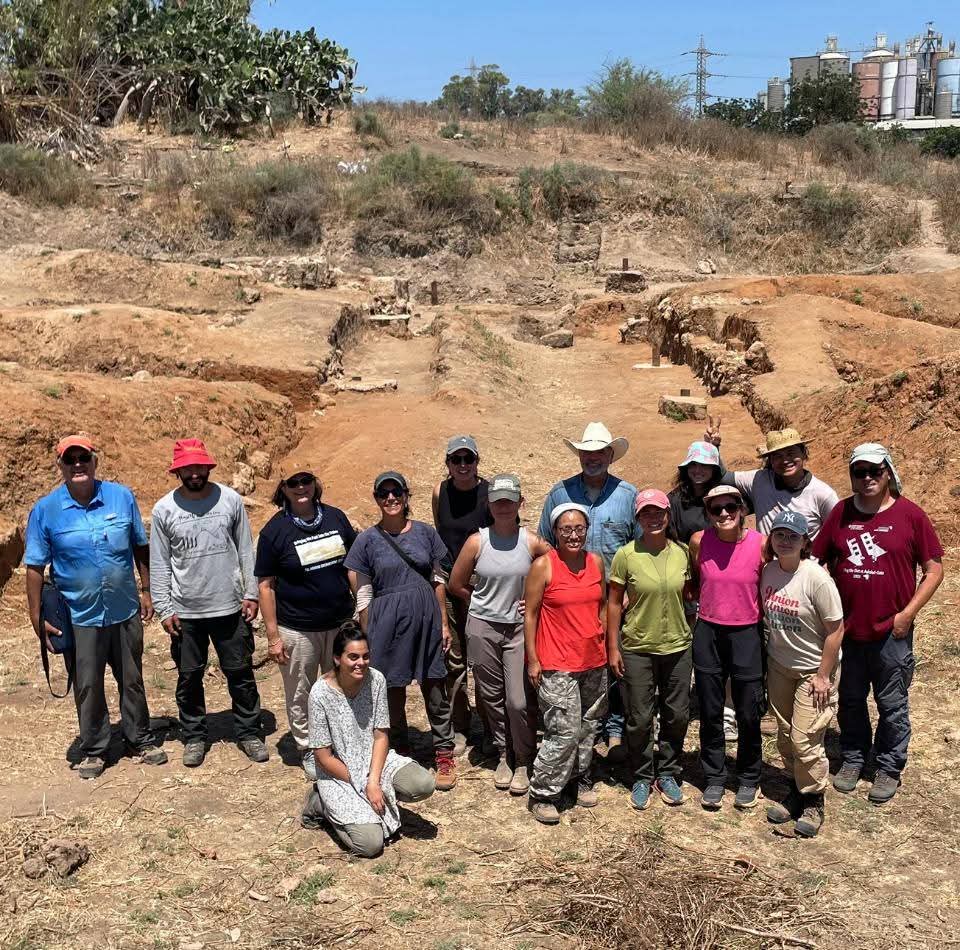
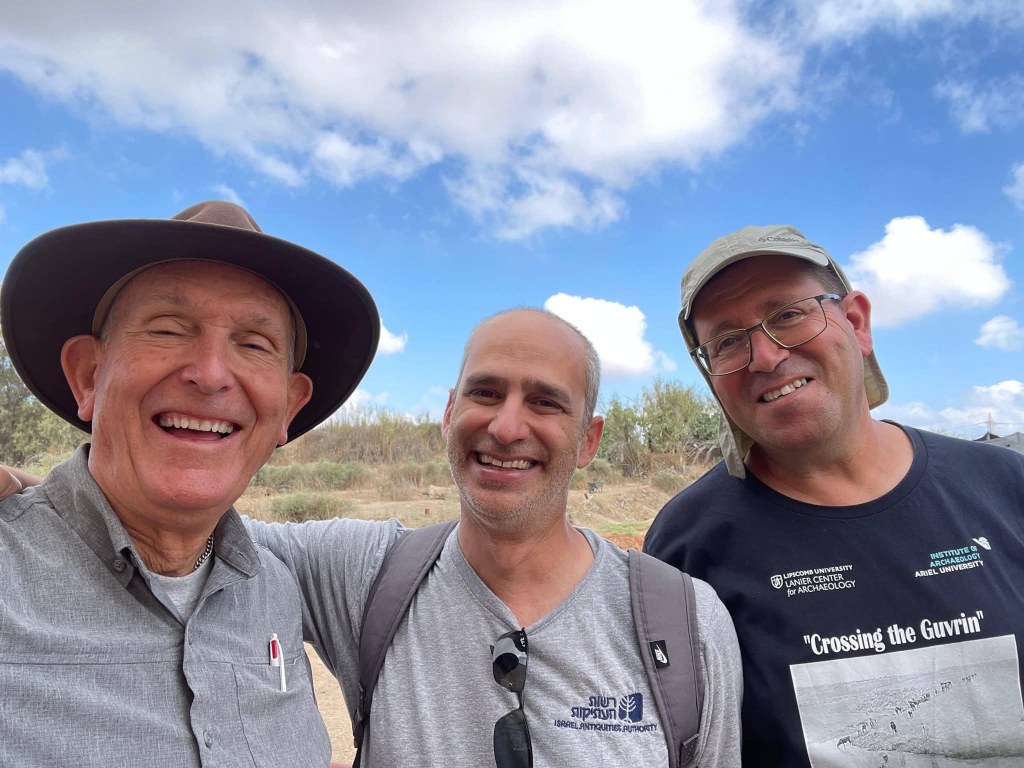
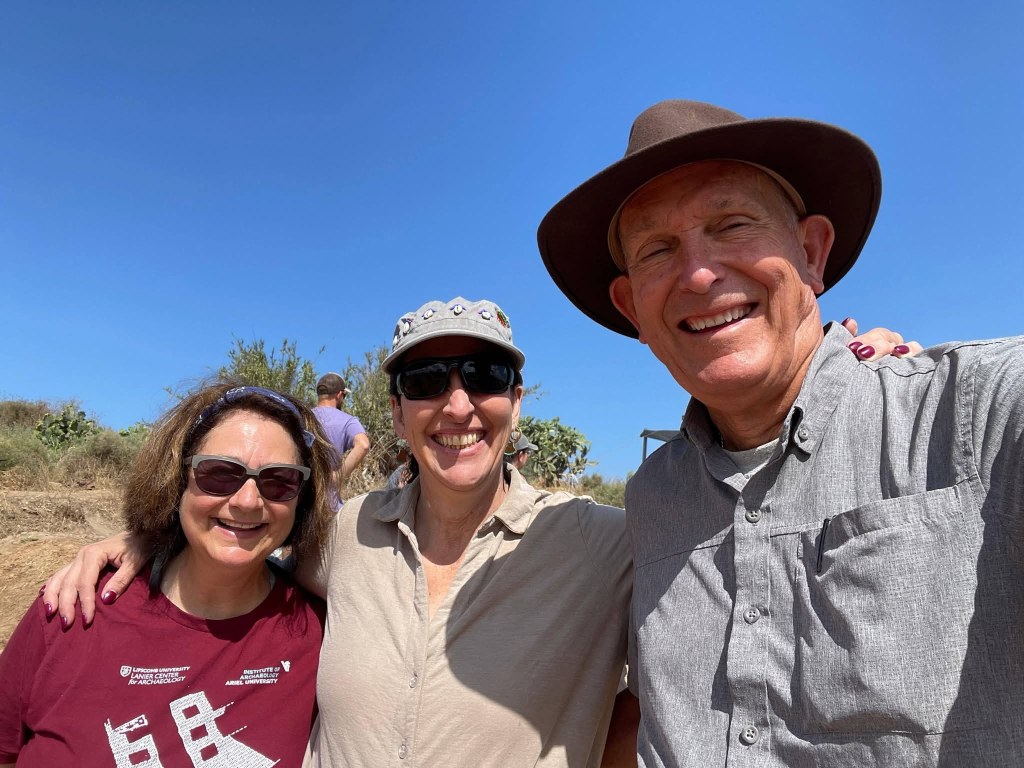
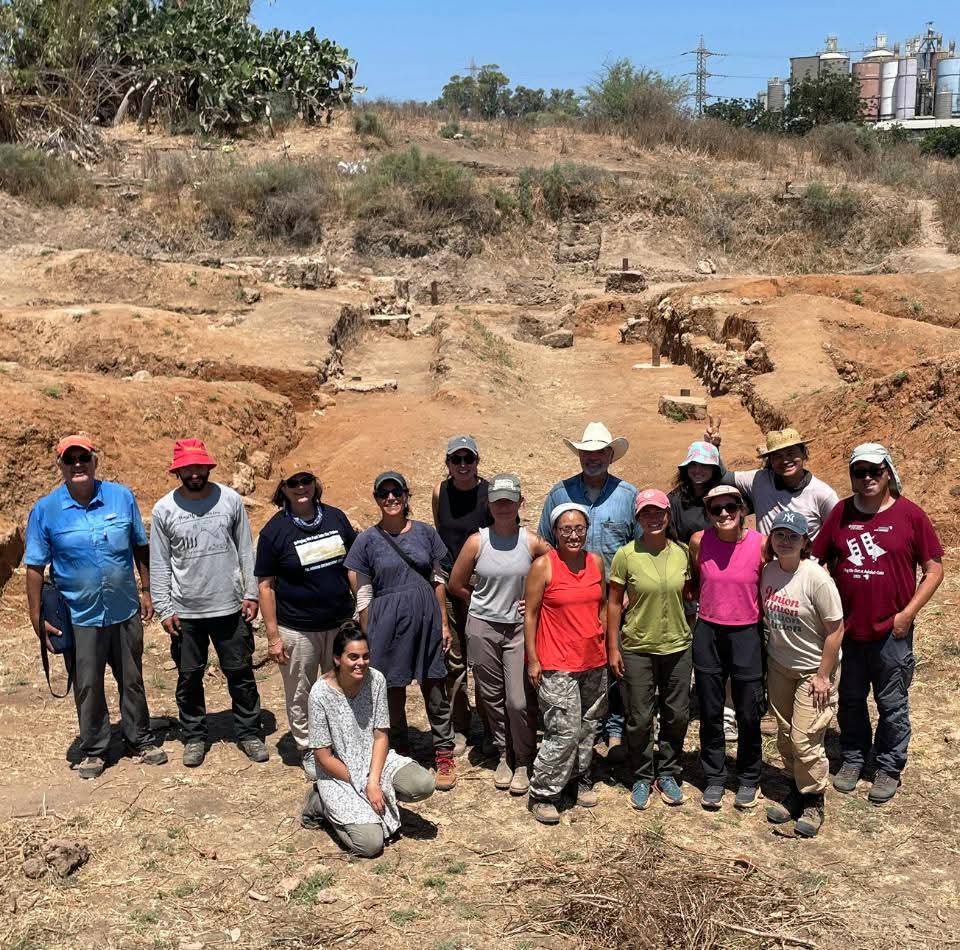
One of the defining characteristics of the 2026 season was the international and interdisciplinary character of the team. Students and researchers came from Ariel University, Israel, Lipscomb University, Nashville TN, Colorado Christian University, Lakewood CO, Charles University, Prague the Czech Republic, Brigham Young University, Provo UT, and the University of Winnipeg.
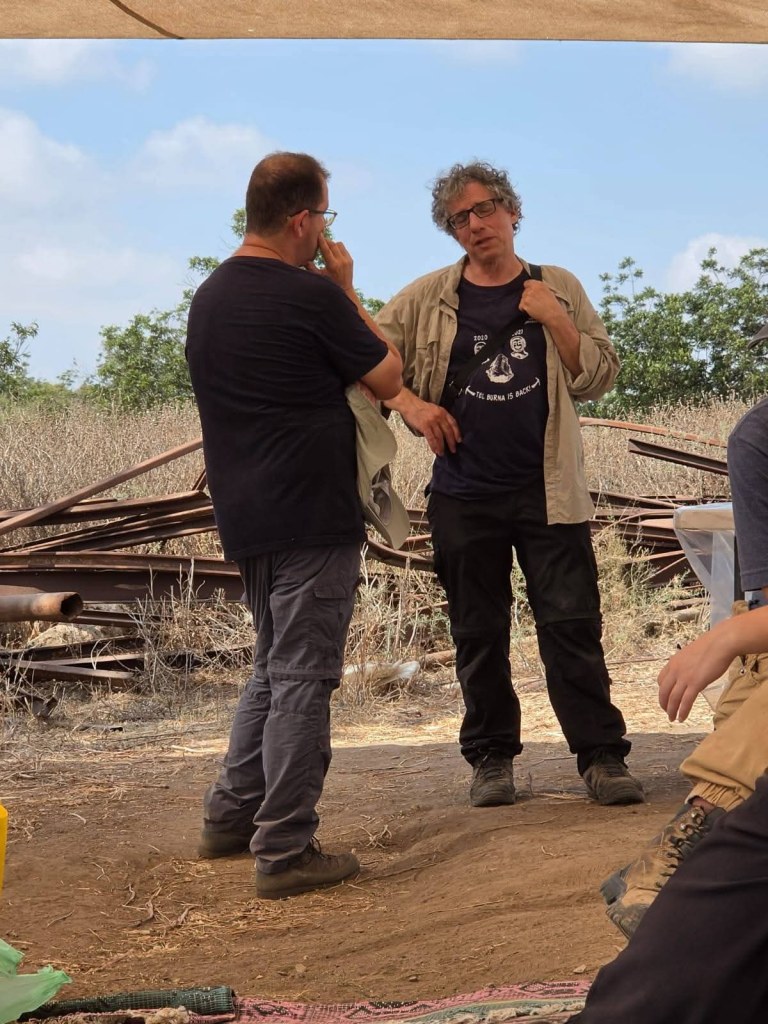
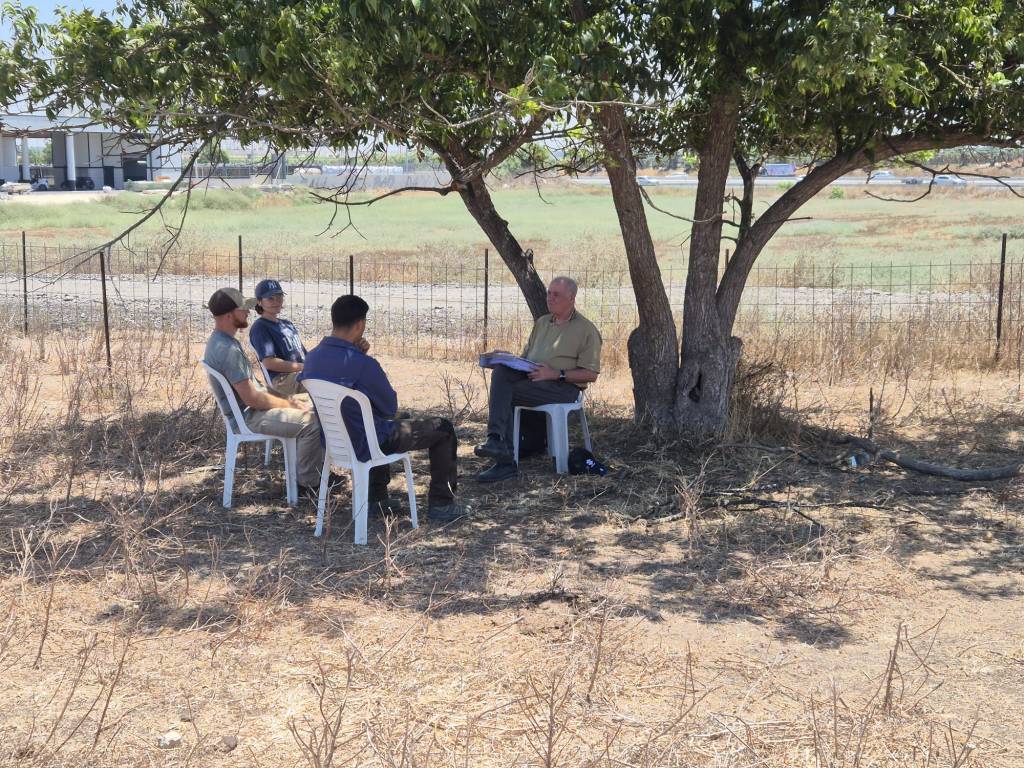
Throughout the season, we welcomed numerous visiting scholars and colleagues from archaeological projects and institutions across Israel and abroad. These visits provided opportunities to walk the excavation areas, and sometimes other parts of the tell, together, discuss emerging interpretations, compare archaeological evidence, and develop new research questions.
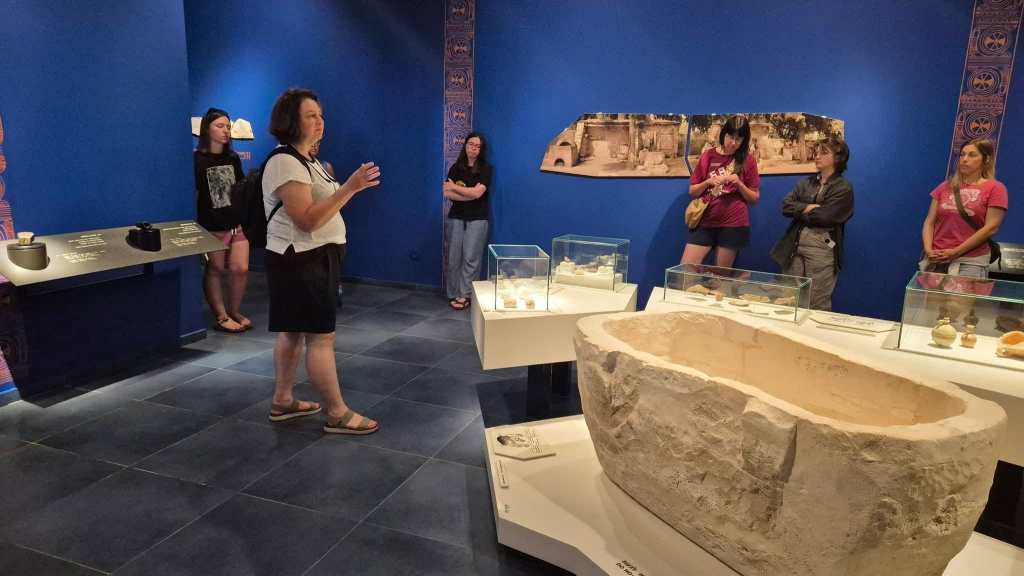
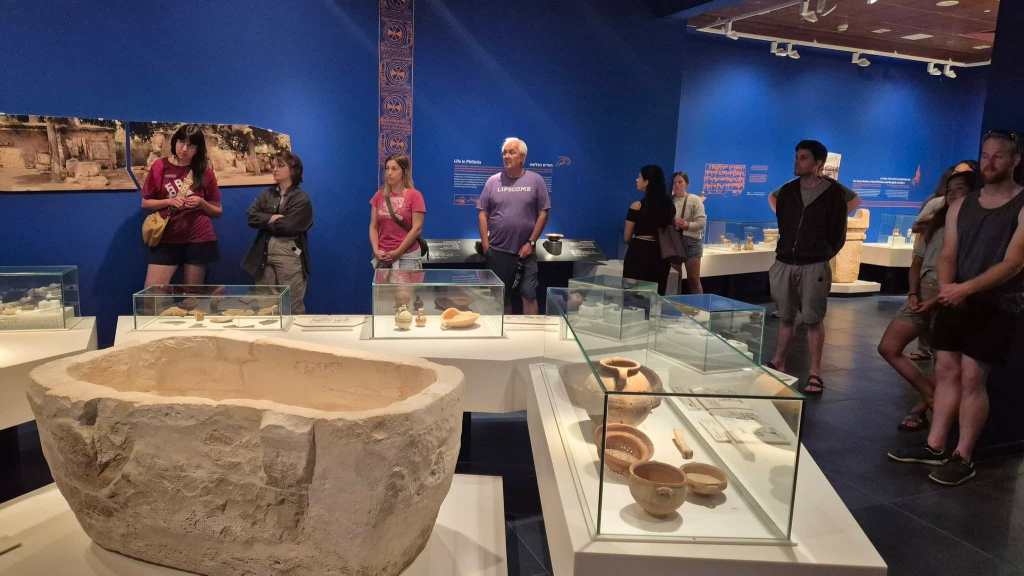
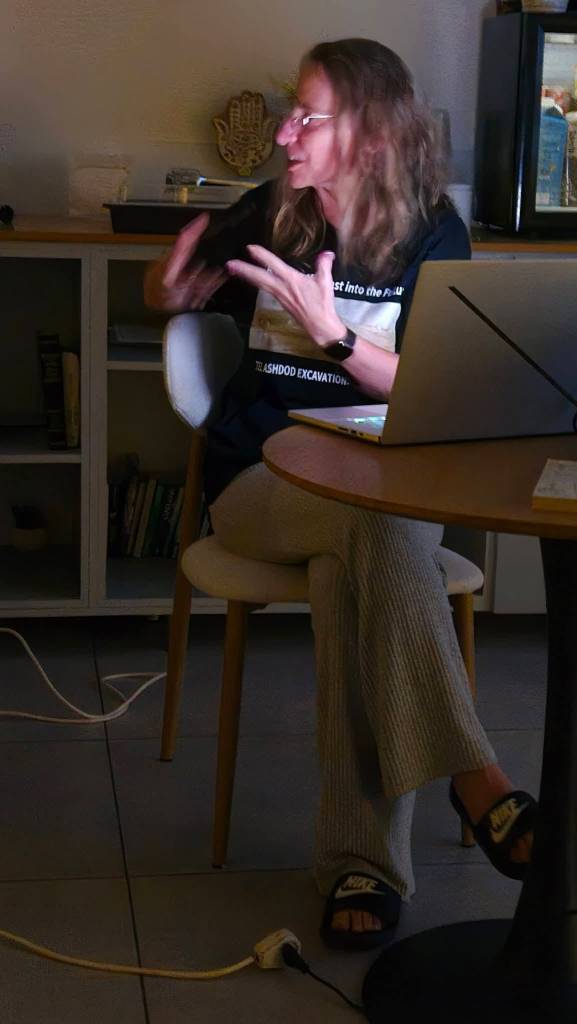
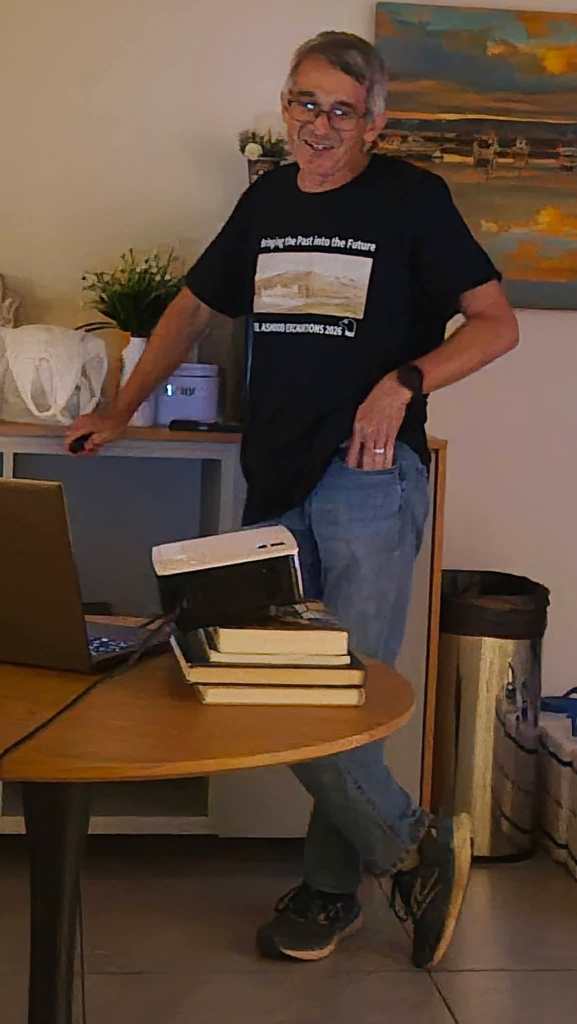
Evening lectures, part of our archaeological field school program, introduced the team to subjects ranging from Philistine material culture and biblical warfare to zooarchaeology and geoarchaeological research. Field trips, also part of our field school, to sites such as the Museum of Philistine Culture in Ashdod, Tell Ashkelon and Tell es-Safi/Gath introduced our team members to the Bronze and Iron Age archaeology of the surrounding region.

Archaeology and Community
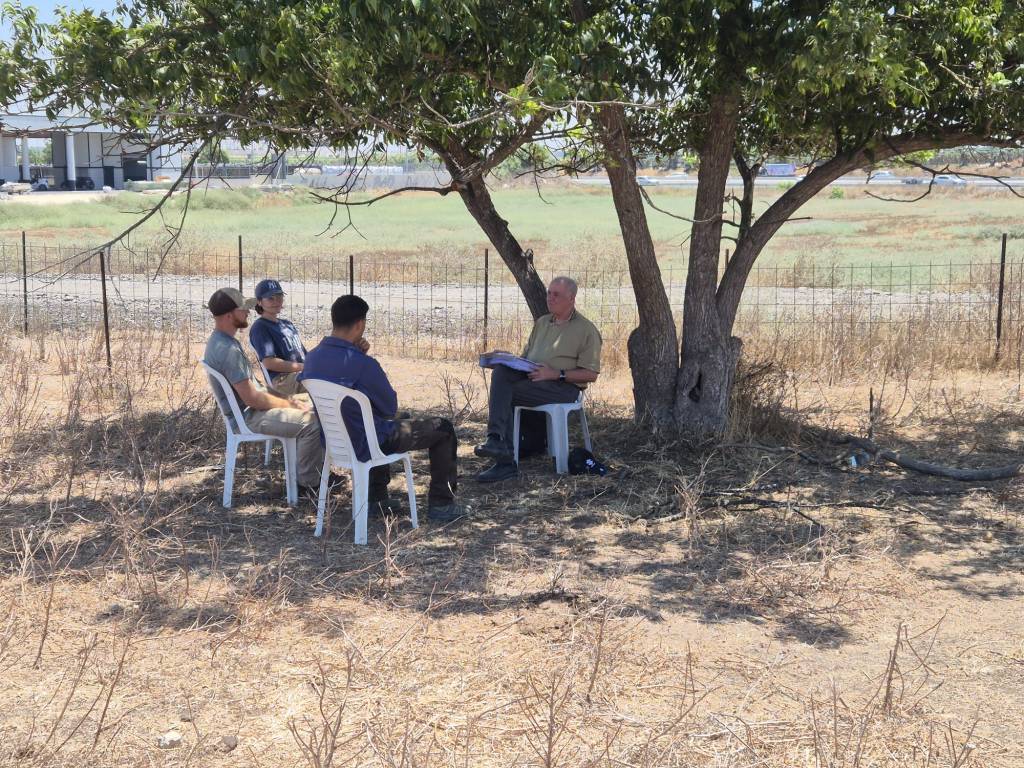
Research at Tel Ashdod also extends beyond the excavation trenches. Alongside the archaeological work, Harel Gootfriend has continued a collaborative research project with Dr. Faye Sayer of the University of Birmingham examining the connections between archaeology, education, society, and community. Volunteers participating in the excavation are therefore not simply providing labor for archaeological research; their experiences in the field are themselves part of an ongoing research project.
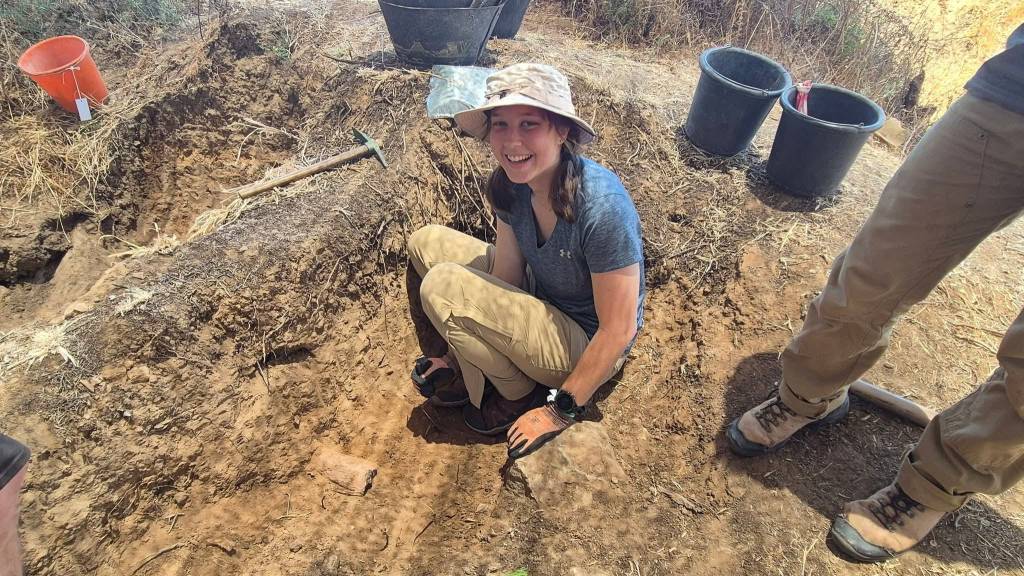
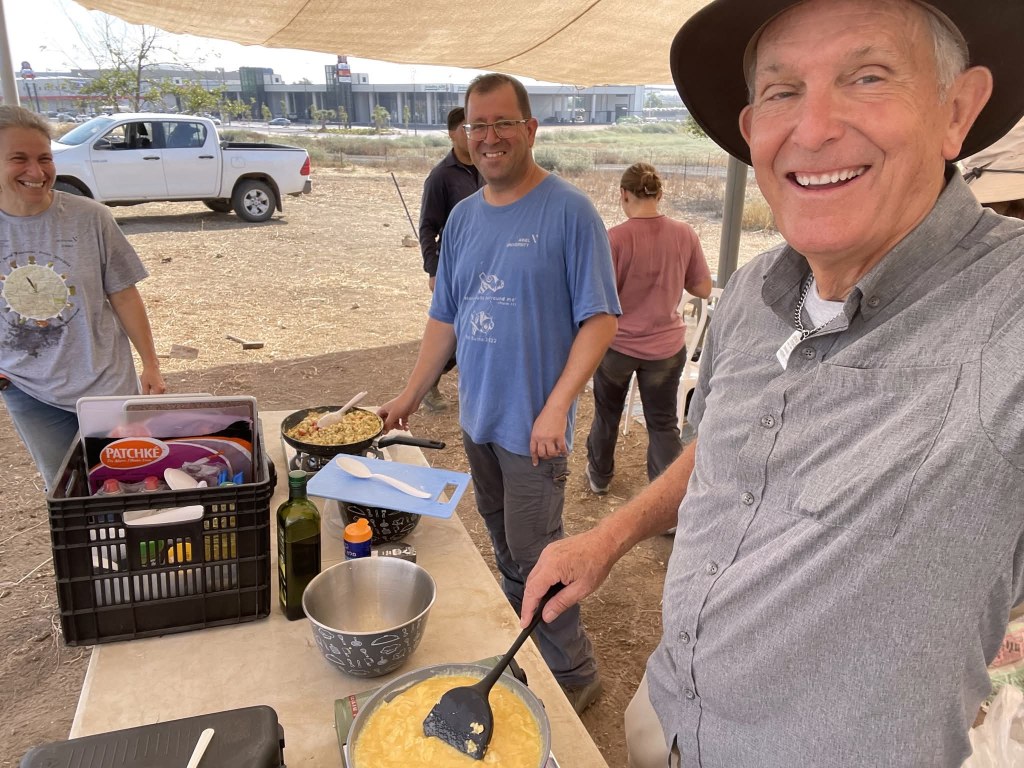
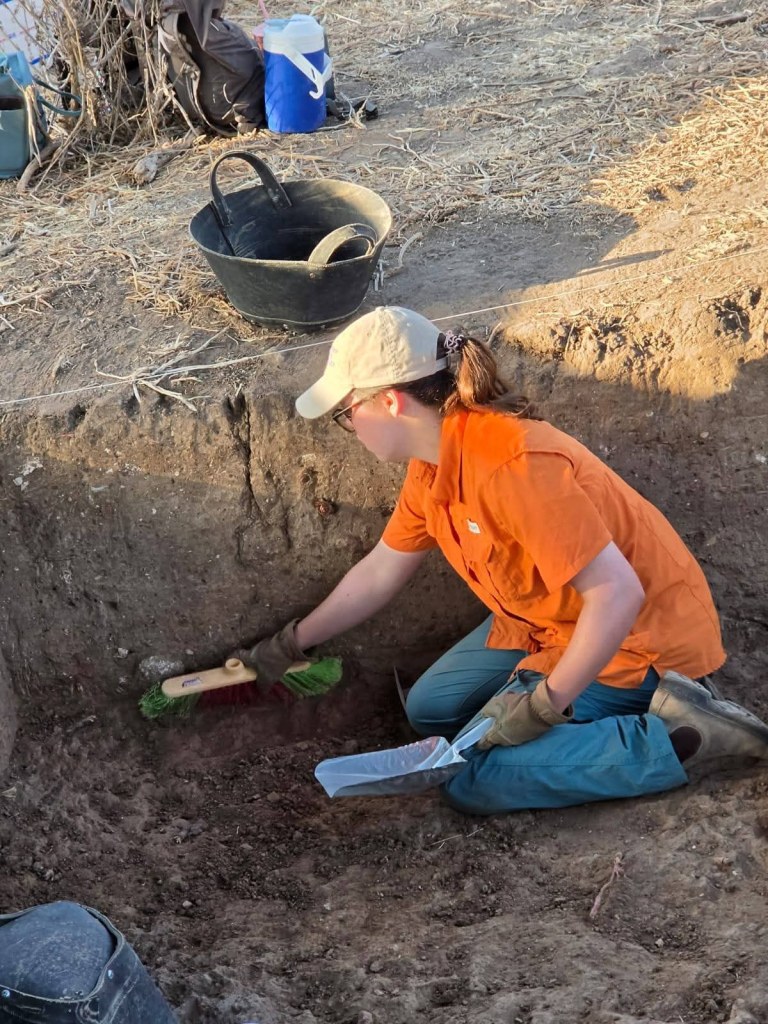
This emphasis on people was visible throughout the season. Daily volunteers, students, families, and visiting groups joined the excavation, while researchers from different institutions worked together in the field. The result was a community that extended well beyond the core excavation staff. As the season progressed, farewells to departing students and volunteers repeatedly reminded us that an excavation is ultimately built around people as much as around stones, pottery, and soil
From the Field to the Laboratory
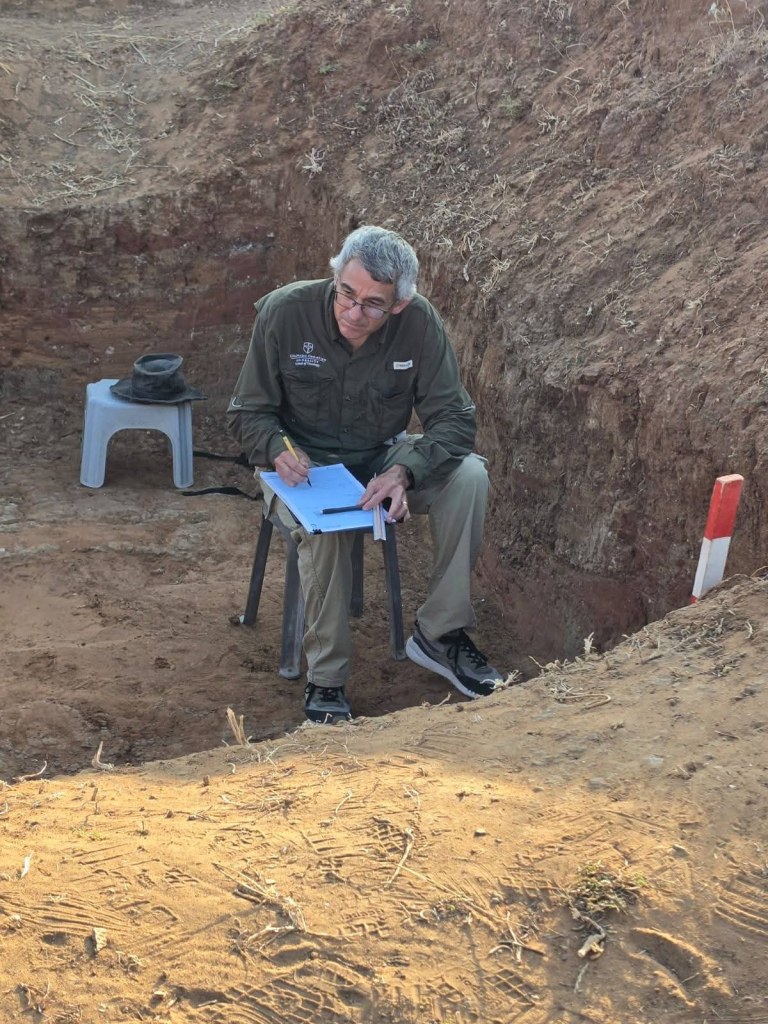
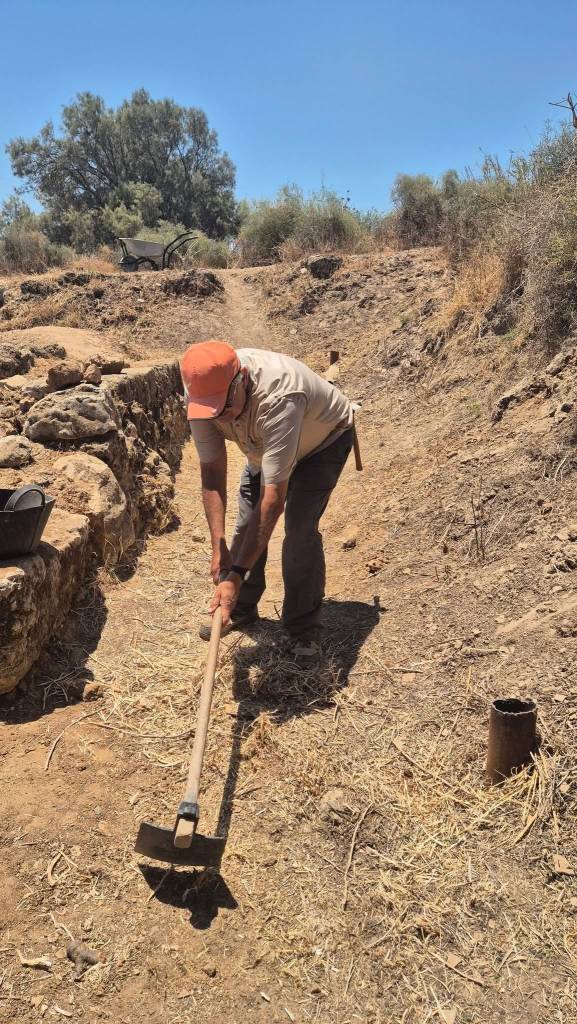
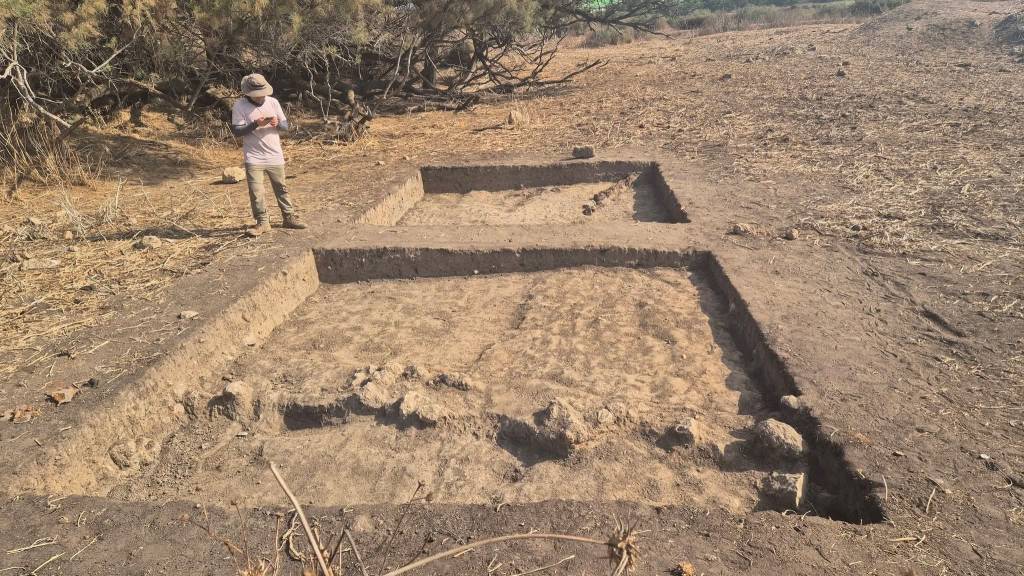
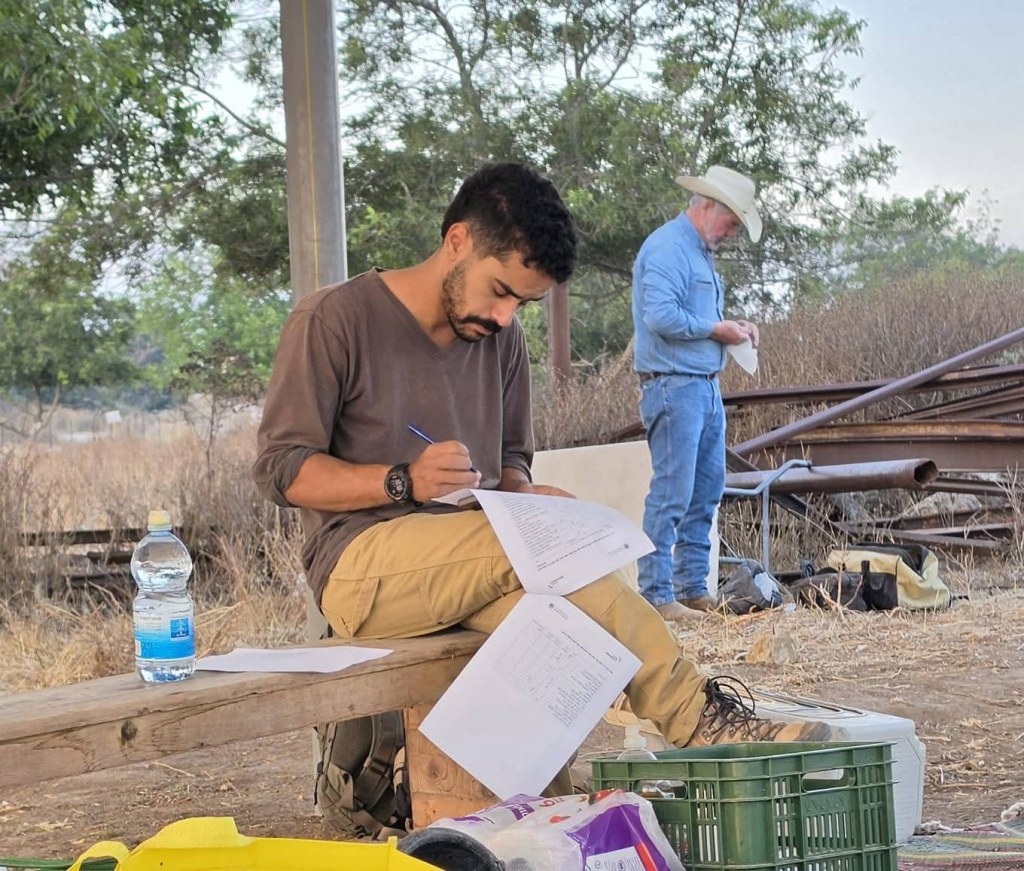
The final days of the season marked a transition rather than an ending. As excavation areas were cleaned and prepared for final photography, the team completed soil sampling, architectural documentation, and the last stages of field recording. The equipment was packed away, gufas the broken tire constructed soil carriers were repaired by Jerry, the shades taken down, finds were packed, and our equipment container prepared for transport.
But archaeological work continues.
The material recovered during the season now moves into the laboratory, where pottery, sediments, faunal sediments, faunal remains, production debris, and other finds can be studied.
In many ways, this is where the next stage of the excavation begins: transforming discoveries made in the field into archaeological knowledge.

Looking Ahead
The 2026 season has provided new information about the monumental gate, its architectural development, the activities surrounding it, and the later occupation of the site. At the same time, it has strengthened the collaborative network of researchers, students, volunteers, and institutions working together to understand the history of Tel Ashdod.
The trenches may now be quiet, but the research is only beginning. We look forward to continuing the lab work, developing new research questions, and preparing for the next chapter in the excavation of Tel Ashdod.The trenches may now be quiet, but the research is only beginning. We look forward to continuing the lab work, developing new research questions, and preparing for the next chapter in the excavation of Tel Ashdod.
Come Join Us at Tel Ashdod June 27-July 21 2027!





Community Archaeology and Mental Well-being at Tel Ashdod

Modern archaeological research draws on a wide range of complementary disciplines, each contributing valuable insights into the lives of a site’s ancient inhabitants. Today, archaeological excavations are not only about uncovering the material remains of the past; they also provide opportunities for social engagement, community building, and interdisciplinary research.
Alongside the scientific work conducted in the field and laboratory, participants in the Tel Ashdod excavation will take part in an innovative social research project led by Harel Gootfriend-Nahoom of Ariel University, as part of a broader international study directed by Dr. Faye Sayer of the University of Birmingham, England.
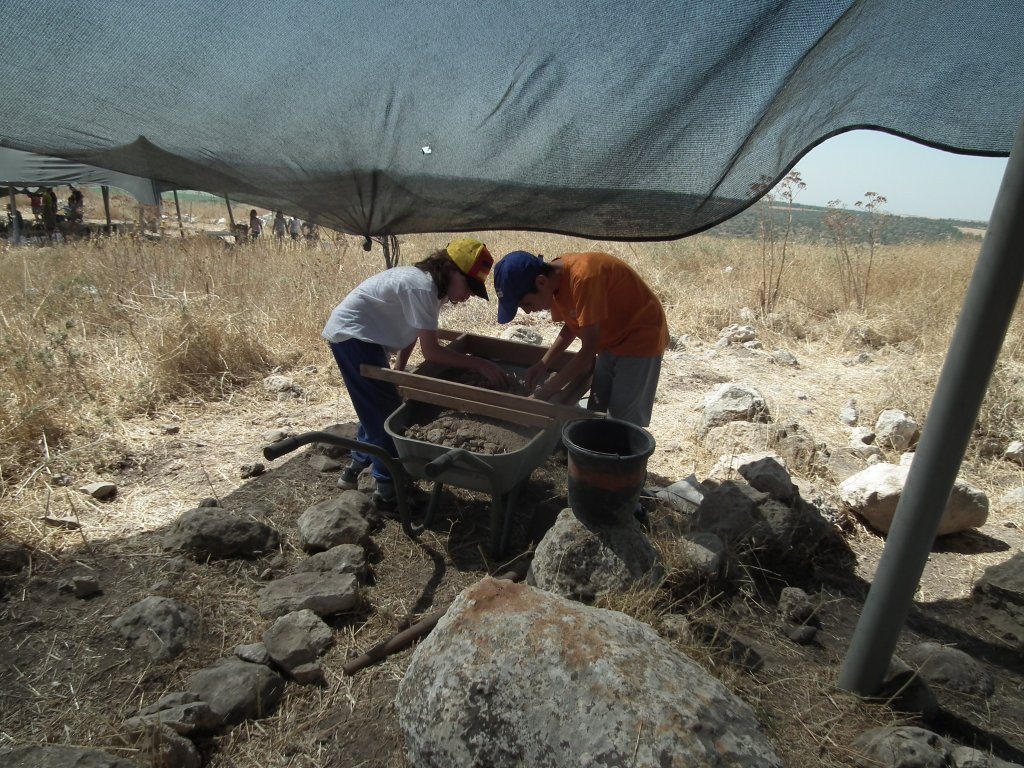
This research examines the social and psychological impacts of participation in archaeological fieldwork, with particular attention to how working alongside people of all ages and from diverse backgrounds influences mental well-being. By taking part in the excavation, volunteers will not only contribute to our understanding of the ancient world but also help advance research into the benefits that archaeological practice can have for contemporary society.
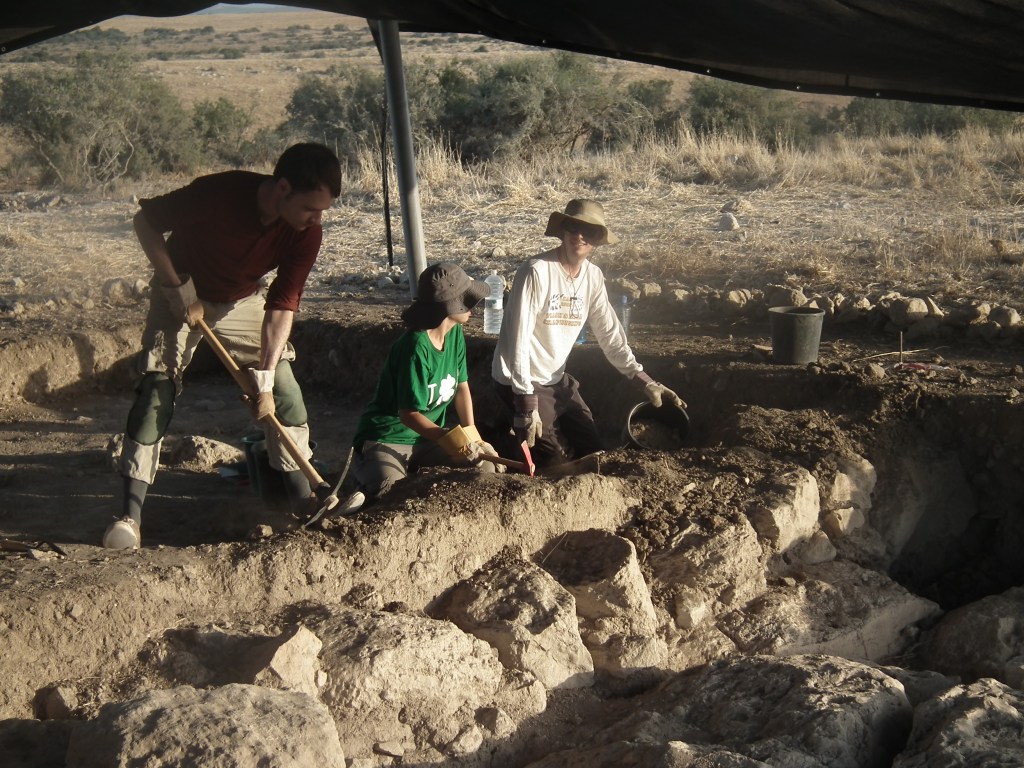
As part of the project, participants will be invited to contribute to a study exploring the effects of archaeological excavation on personal well-being and social connectedness.
For detailed information about the research project checkout the link:
https://docs.google.com/document/d/10wKTDzys21guslQr8k7s0bZZ3m7Tj3l4C5TZC6Lea-4/edit?tab=t.0
- TEL ASHDOD 2026: Excavating the Past, Building the Future
- Community Archaeology and Mental Well-being at Tel Ashdod
Join us June 27-July 22, 2027
WATCH THIS SPOT FOR REGISTRATION DETAILS
shaiitzick@gmail.com, debicass@gmail.com

